
What Is a Composition Roof? (Complete Guide for Homeowners)
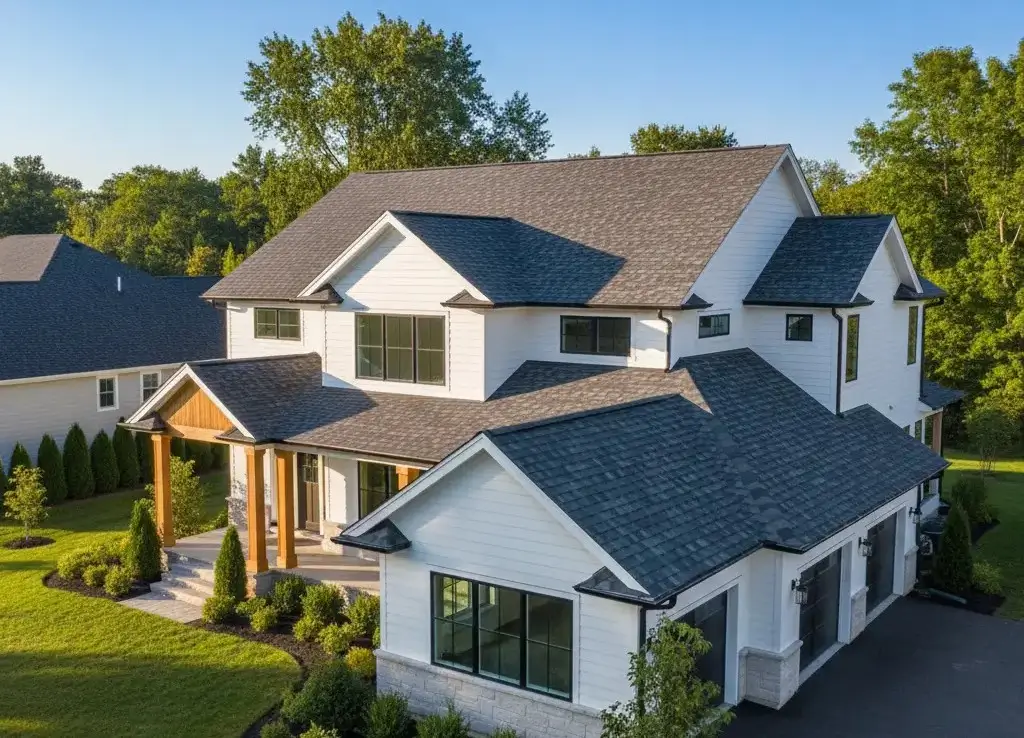
Choosing the right roofing material is one of the most important decisions you’ll make as a homeowner, especially when planning a repair or full roof replacement. Among the many options available today, composition roofing stands out as one of the most popular choices — and for good reason.
A composition roof, often associated with modern asphalt shingles, is designed to offer reliable protection, long-term durability, and an attractive look without the high cost of premium materials. Its versatility makes it suitable for most steep-slope homes, and the wide variety of styles, colors, and performance levels allows homeowners to find an option that matches both their aesthetic and their budget.
In this complete guide, you’ll learn exactly what a composition roof is, what it’s made of, the different types available, how long it lasts, and whether it’s the right fit for your home. By the end, you’ll have a clear understanding of why composition roofing continues to be a trusted, cost-effective, and long-lasting solution for millions of households.
Understanding What a Composition Roof Is
What is a composition roof?
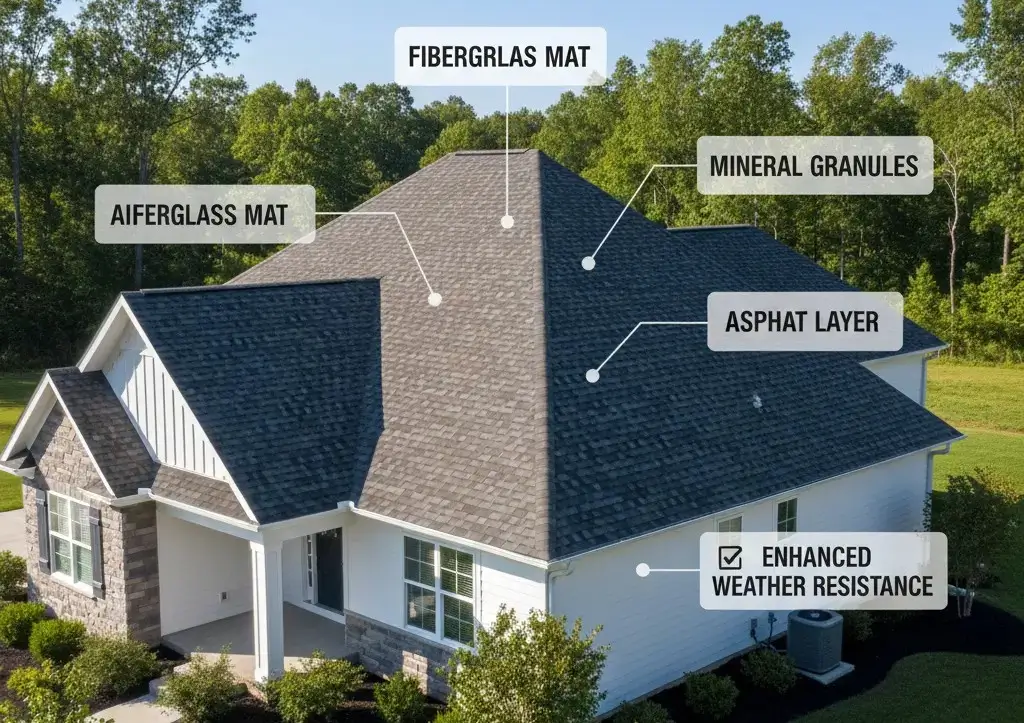
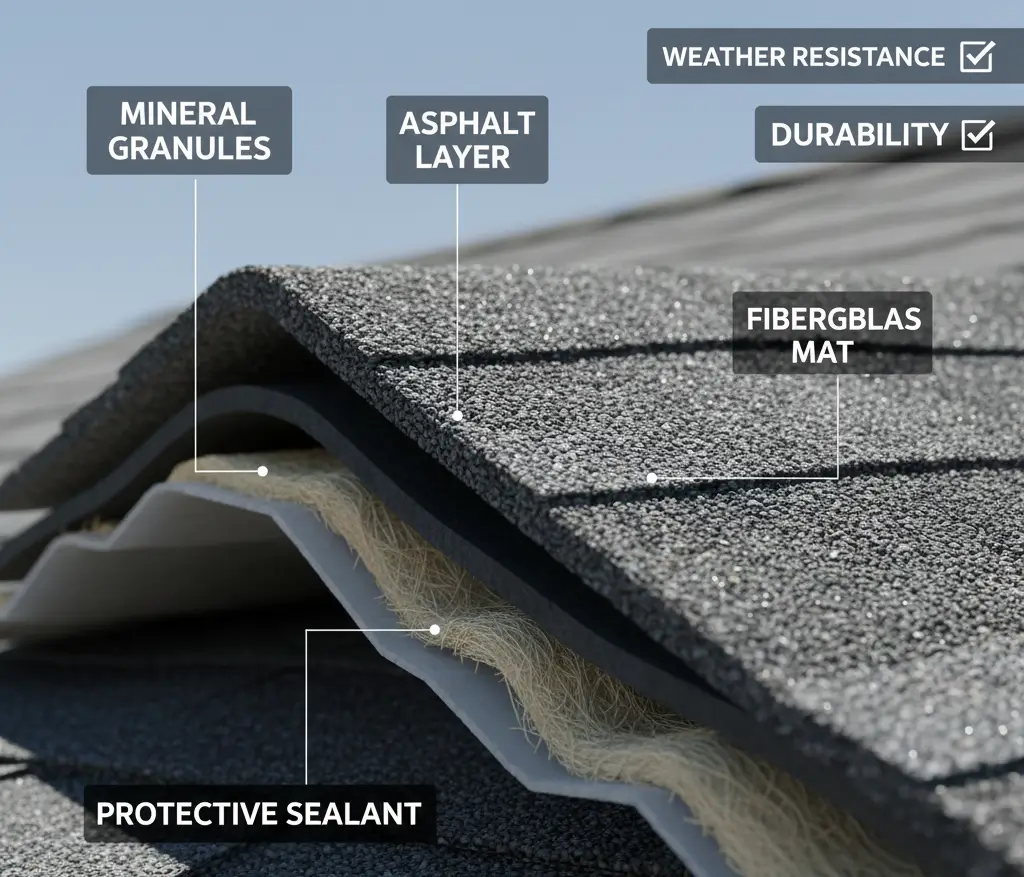
A composition roof is a modern roofing system made from multiple engineered layers, designed to deliver strength, weather resistance, and long-term performance at an affordable price. The shingles are created using a blend of durable materials—typically including a fiberglass mat, asphalt binders, and mineral granules—which work together to protect the roof from water, sunlight, impacts, and everyday wear.
Because each shingle is built from a composite of these man-made materials, the roofing industry refers to them as composition shingles. Homeowners appreciate them not only for their cost-effectiveness but also for the wide selection of colors, textures, and designs available, making it easy to match nearly any architectural style.
How Composition Roofing Differs From Traditional Asphalt Shingles
Although the terms composition shingles and asphalt shingles are often used interchangeably, there are subtle differences worth noting. Traditional asphalt shingles were once made using organic materials, whereas modern composition shingles use fiberglass as the base, creating a lighter, stronger, and more fire-resistant product.
Here’s what sets today’s composition roofing apart:
- Improved durability: Fiberglass-based shingles are less likely to warp or absorb moisture.
- Enhanced weather resistance: Modern granule coatings help protect the roof from UV rays, algae staining, and heat damage.
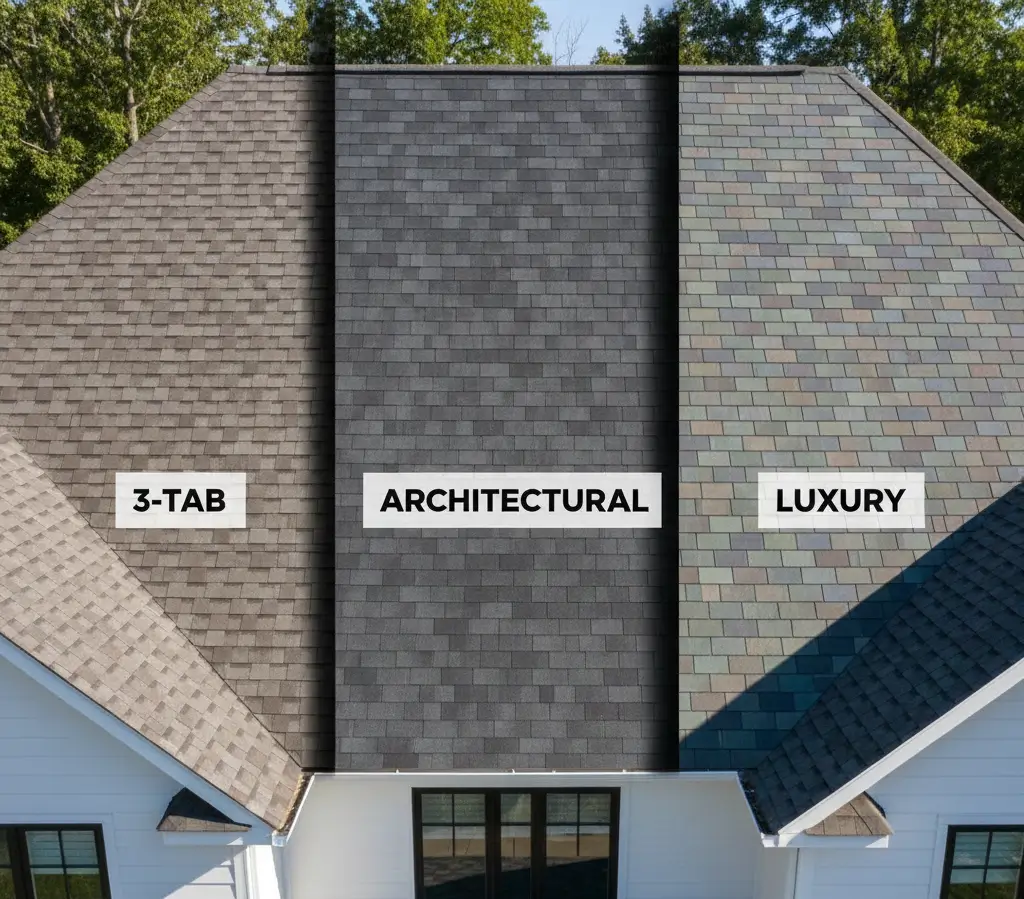
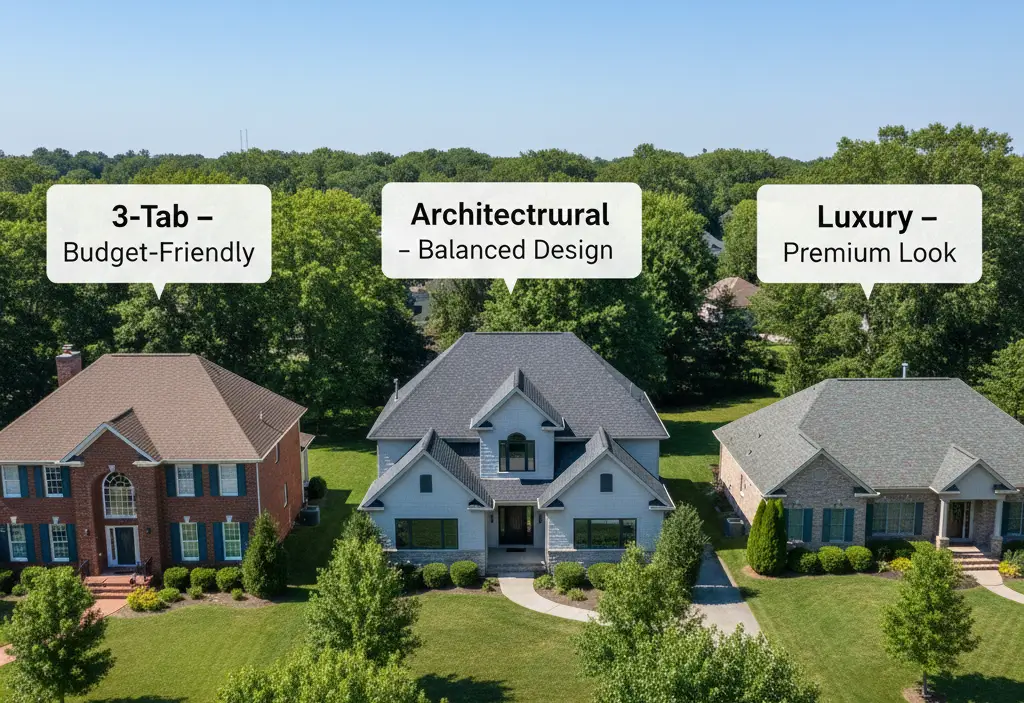
- More design options: Composition shingles come in multiple thicknesses and styles—3-tab, architectural, and luxury—to achieve different looks and performance levels.
Better overall value: Compared to traditional asphalt shingles, composition roofing offers upgraded protection without a substantial increase in cost.
Why It’s One of the Most Popular Roofing Options in the U.S.
Composition roofing remains the go-to choice for American homeowners because it strikes a strong balance between cost, performance, and curb appeal. It works well in most climates, requires relatively simple maintenance, and offers a lifespan that competes with more expensive materials.
Key reasons for its popularity include:
- Affordable installation and replacement costs
- Excellent resistance to wind, rain, and sun exposure
- A wide selection of aesthetic choices to match any home style
- Compatibility with nearly all steep-slope roofs
- Improved longevity compared to earlier asphalt products
With its blend of reliability, affordability, and versatility, it’s easy to see why composition roofing continues to dominate the residential market.
Types of Composition Roofs
3-Tab Composition Shingles
3-tab shingles are the most traditional and budget-friendly type of composition roofing. Each shingle is cut into three uniform tabs, creating a flat and consistent appearance once installed. Because they are lighter and thinner than other options, 3-tab shingles typically have a shorter lifespan—but they still offer dependable protection at a lower cost.
Key Features:
- Uniform, flat design
- Typically rated for 20–30 years
- Lightweight and easy to install
- Best for homeowners looking for an affordable roofing solution
Architectural/Dimensional Composition Shingles
Architectural (also called dimensional or laminate) shingles are a step up in both performance and appearance. These shingles are crafted from multiple layers of material, giving them added thickness and a more dimensional, textured look. They are built to withstand harsher weather and often come with longer warranties due to their upgraded durability.
Key Features:
- Multi-layer construction for added strength
- Enhanced depth and shadowing for a more elegant look
- Generally longer lifespan than 3-tab shingles
- Excellent value for homeowners wanting better performance without premium costs
Luxury Composition Shingles
Luxury composition shingles are the highest-quality option in the category. Designed to replicate the appearance of natural slate or hand-split wood shakes, they offer the most striking and refined aesthetic of all shingle types. These shingles are much thicker, heavier, and more durable—making them ideal for homeowners who want both top-level protection and upscale curb appeal.
Key Features:
- Premium thickness and superior durability
- Realistic slate or shake-inspired designs
- Excellent impact resistance
- Highest cost but also the most visually impressive option
How to Choose the Right Type for Your Home
Selecting the right composition shingle depends on your budget, your home’s architectural style, and your long-term expectations for performance.
Consider the following when deciding:
- Budget: 3-tab is the most affordable; luxury shingles are premium-priced.
- Desired appearance: Architectural and luxury shingles offer more style and dimension.
- Climate conditions: Harsher climates benefit from thicker, more durable shingles.
- Longevity: Architectural and luxury options generally outlast 3-tab shingles.
- Home value: Premium shingles can boost curb appeal and resale value.
By understanding the differences between each type, you can confidently choose a composition roofing option that aligns with your budget, style preferences, and long-term needs.
What a Composition Roof Is Made Of
Asphalt Layer
The asphalt layer is the core protective element of a composition shingle. It acts as a weatherproofing barrier that keeps water from penetrating the roof structure. High-quality shingles use refined asphalt blended with strengthening polymers, giving them improved flexibility in cold temperatures and better heat resistance in warmer climates. This layer is essential for preventing leaks, resisting wind uplift, and ensuring the shingle holds up under years of harsh weather.
Fiberglass or Organic Base Mat
At the heart of each composition shingle is a base mat, which serves as the structural backbone of the product. Today, most modern composition shingles use a fiberglass mat, known for being lightweight, strong, and highly fire-resistant. Older or budget shingles may use an organic mat, typically made from cellulose materials, but fiberglass has become the standard because it delivers superior durability and stability.
The quality of this foundational mat significantly affects performance—everything from tear resistance to overall lifespan depends on it.
Mineral Granules
The top surface of a composition shingle is covered with mineral granules, which do far more than simply add color. These ceramic-coated granules protect the asphalt below from UV rays, which can otherwise cause premature cracking and deterioration. They also help reduce heat absorption, extend the shingle’s lifespan, and provide impact resistance.
Many manufacturers now add algae-resistant granules, which help prevent dark streaking and discoloration caused by airborne algae—keeping the roof looking better for longer.
Protective Sealants and Coatings
Modern composition shingles incorporate advanced sealants and adhesive coatings that bond them securely to the roof. These sealants activate with heat from the sun, forming a tight seal that helps prevent wind damage and keeps rain from seeping beneath the shingles.
Additionally, protective coatings may be added to increase fire resistance, improve shingle flexibility, or enhance overall weather performance. These engineered layers ensure the shingle maintains durability, holds its shape, and provides reliable protection throughout its service life.
Key Benefits of a Composition Roof
Durability and Long Lifespan
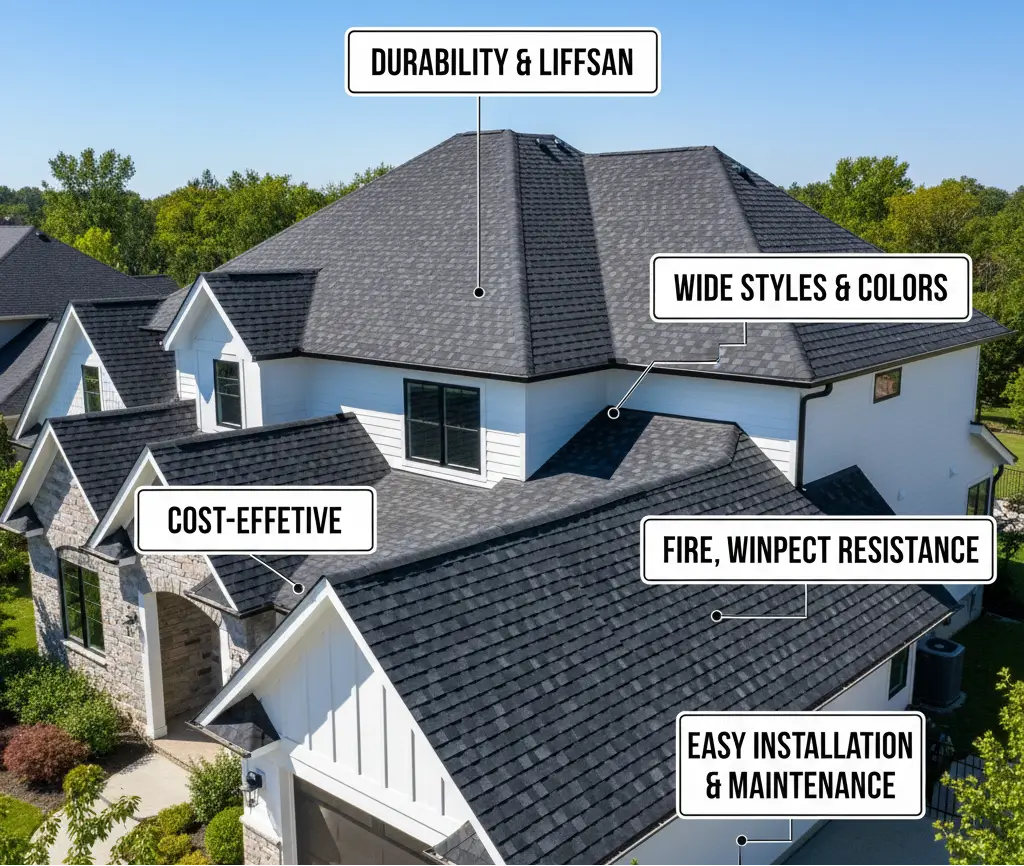
A major reason homeowners choose composition roofing is its impressive durability. Modern composition shingles are engineered to withstand years of exposure to sun, rain, wind, and temperature changes. Depending on the type—3-tab, architectural, or luxury—many composition roofs last 20 to 50+ years with proper care. The combination of fiberglass reinforcement, high-quality asphalt, and protective coatings allows these shingles to hold up well even in challenging climates, giving homeowners reliable long-term protection.
Wide Range of Styles and Colors
Composition shingles offer one of the broadest selections of design options in the roofing industry. Homeowners can choose from classic, dimensional, or premium styles that mimic the look of natural slate or cedar shakes—without the weight or high cost of those materials. With dozens of colors, textures, and profiles available, it’s easy to find a shingle that complements your home’s architecture and enhances curb appeal. This design flexibility is one of the key reasons composition roofing remains a top choice nationwide.
Cost-Effectiveness Compared to Other Roofing Materials
When comparing roofing materials, composition shingles consistently offer some of the best value for the price. They are significantly more affordable than metal, tile, or slate, while still providing strong performance and attractive aesthetics. Installation costs are lower as well, since composition shingles are lighter, easier to handle, and do not require specialized labor. For homeowners who want dependable protection without overspending, composition roofing is one of the most economical solutions.
Fire, Wind, and Impact Resistance
Composition roofs are designed with performance in mind. Many shingles carry Class A fire ratings, the highest rating available, giving homes an added level of safety. In addition, modern manufacturing processes make these shingles highly resistant to strong winds—often rated for wind speeds of 110 to 130 mph, and sometimes higher with enhanced installation techniques. Impact-resistant (IR) versions are also available, offering improved protection from hail and debris. These features make composition roofing a smart choice for areas prone to storms and harsh weather.
Ease of Installation and Maintenance
Another major advantage of composition roofing is how simple it is to install and maintain. Because the shingles are relatively lightweight and flexible, installation is faster and more straightforward than heavier materials like tile or slate. Maintenance is minimal—typically limited to debris removal, gutter cleaning, and occasional inspections. And if damage does occur, individual shingles can often be replaced without disturbing the rest of the roof. This ease of installation and upkeep helps keep overall costs low throughout the roof’s lifespan.
How Long Does a Composition Roof Last
Lifespan of 3-Tab vs Architectural vs Luxury Shingles
The longevity of a composition roof largely depends on the type of shingles used:
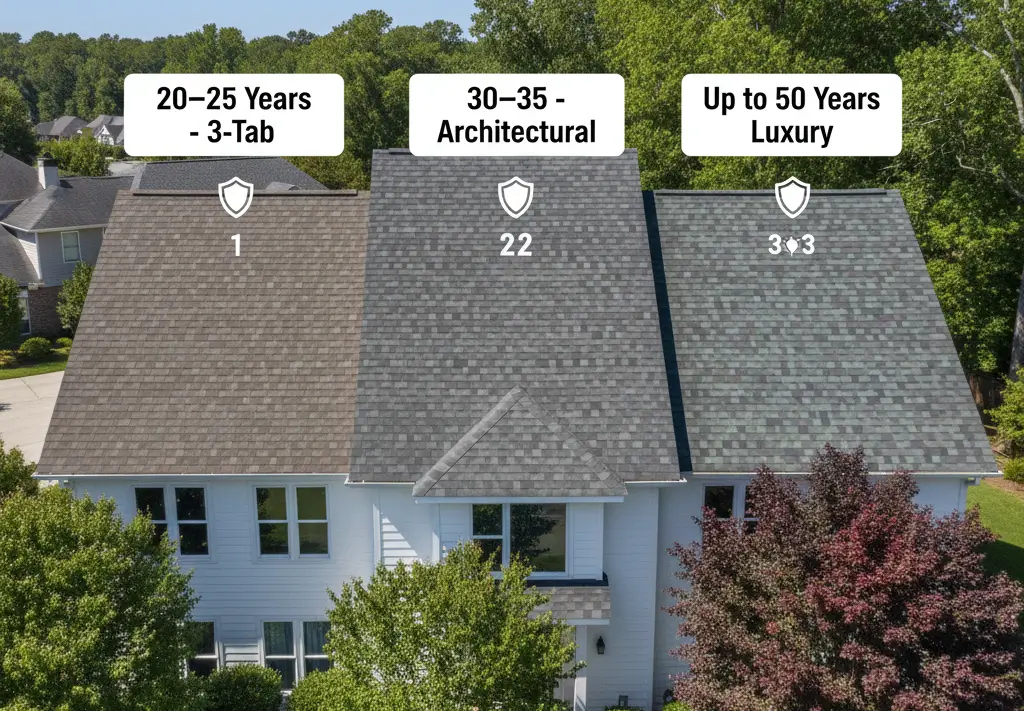
- 3-Tab Shingles: These are the most basic composition shingles and typically last 20–25 years. While affordable, their thinner design makes them less durable than other options.
- Architectural/Dimensional Shingles: Built with multiple layers for added strength, these shingles generally last 30–35 years, offering a balance of durability, aesthetics, and value.
- Luxury Shingles: Designed to mimic the look of slate or wood shakes, luxury shingles are the thickest and most robust. With proper installation and maintenance, they can last up to 50 years, making them the longest-lasting option.
Proper installation, high-quality materials, and routine maintenance all play a key role in achieving these lifespans.
Factors That Affect Durability (Climate, Installation, Ventilation, etc.)
Several factors influence how long a composition roof will actually last:
- Climate: Extreme heat, heavy snowfall, or frequent storms can shorten a roof’s lifespan. UV exposure may also cause asphalt shingles to degrade over time.
- Installation Quality: Even high-quality shingles won’t perform well if installed incorrectly. Proper alignment, nailing, and sealing are essential for longevity.
- Attic Ventilation: Adequate airflow prevents heat and moisture buildup, reducing the risk of shingle warping, cracking, or premature aging.
- Roof Slope: Steeper roofs tend to shed water more efficiently, minimizing damage, while flatter slopes may retain moisture longer, affecting durability.
- Maintenance: Regular inspections, debris removal, and prompt repairs of damaged shingles significantly extend the roof’s life.
By paying attention to these factors, homeowners can ensure their composition roof reaches or even exceeds its expected lifespan, protecting their home for decades.
Maintenance Requirements for a Composition Roof
Routine Inspections
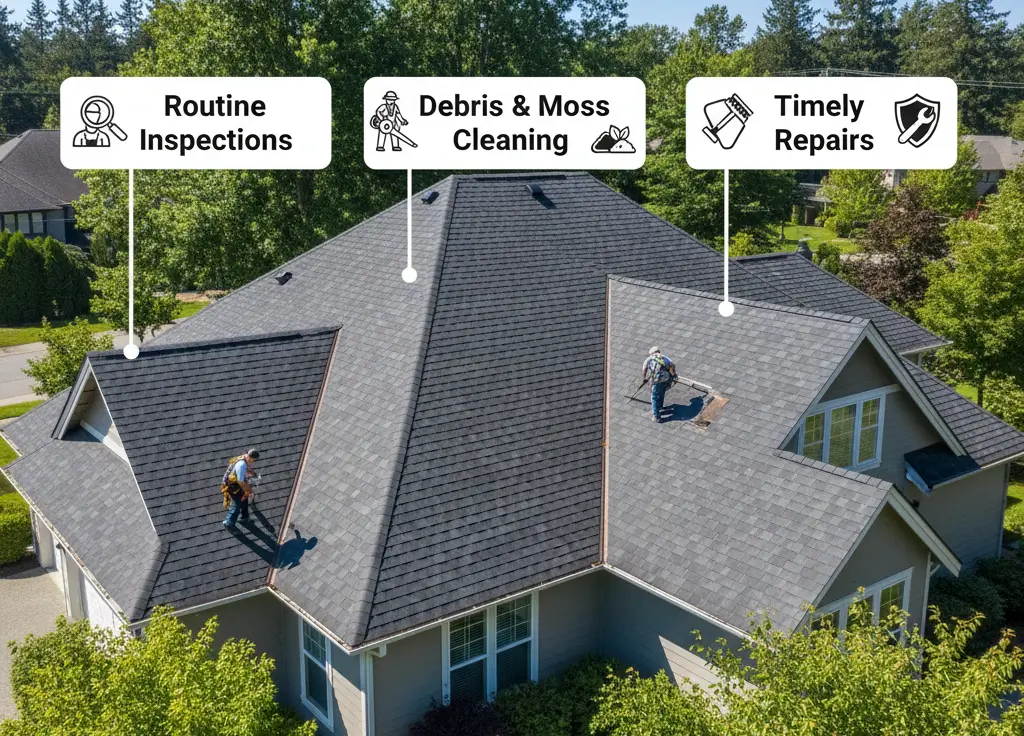
Regular inspections are the cornerstone of a long-lasting composition roof. Ideally, homeowners should inspect their roof at least twice a year—once in the spring and once in the fall—or after major storms. During an inspection, check for:
- Cracked, curled, or missing shingles
- Damaged flashing around chimneys and vents
- Signs of water leaks in the attic or ceiling
- Areas of granule loss or discoloration
Routine inspections help identify potential issues early, preventing small problems from escalating into costly repairs.
Cleaning Debris and Moss Prevention
Leaves, twigs, and other debris can accumulate on a roof and in gutters, trapping moisture and promoting moss or algae growth. Over time, this can deteriorate shingles and shorten the roof’s lifespan.
To protect your composition roof:
- Remove debris regularly, especially after storms or heavy winds
- Keep gutters clean to ensure proper water drainage.
- Consider applying moss- or algae-resistant treatments in areas prone to moisture.
Preventing moss, algae, and water buildup not only preserves the roof’s appearance but also helps maintain its structural integrity.
When and Why Repairs Are Needed
Even with regular maintenance, shingles can become damaged due to storms, falling branches, or aging materials. Timely repairs are crucial to prevent leaks, water damage, and structural issues.
Common repair scenarios include:
- Replacing cracked, torn, or missing shingles
- Fixing damaged flashing around chimneys, vents, and skylights
- Addressing minor leaks before they affect insulation or interior walls
Prompt repairs extend the lifespan of a composition roof, protect your home, and ensure you get the most value from your investment.
Cost of a Composition Roof
Average Price Per Square Foot
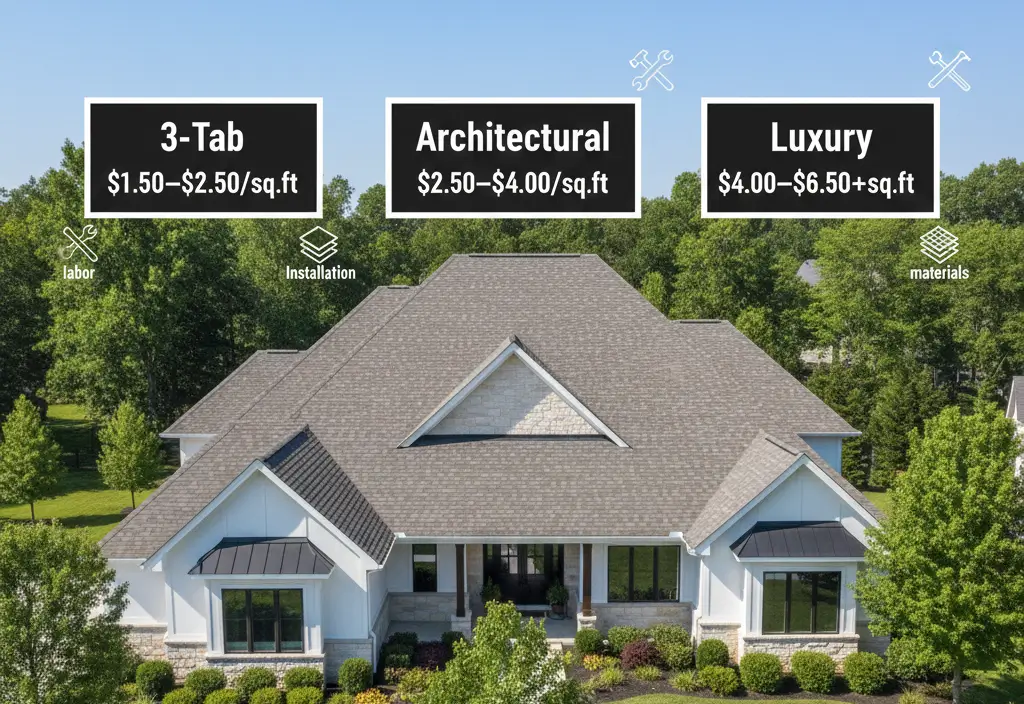
The cost of composition shingles is generally calculated per square foot. On average:
- 3-Tab Shingles: $1.50 – $2.50 per sq. ft.
- Architectural/Dimensional Shingles: $2.50 – $4.00 per sq. ft.
- Luxury Shingles: $4.00 – $6.50+ per sq. ft.
These prices cover the shingles themselves and vary depending on brand, quality, and local market conditions. Keep in mind that high-end or specialty shingles with enhanced durability, color, or design may cost more.
Installation Costs & Labor Factors
Labor is a significant portion of the total roofing cost. Factors that can impact installation costs include:
- Roof size and pitch (steeper roofs require more effort and safety precautions)
- Roof complexity (chimneys, skylights, and valleys increase labor time)
- Geographic location (labor rates vary regionally)
- Removal of the old roof (if replacing an existing roof, tear-off adds to the cost)
On average, installation labor can add $2.00–$4.00 per sq. ft., but this may vary depending on roof complexity and local contractors.
Cost Comparisons With Other Roofing Materials
Composition shingles are among the most cost-effective roofing options. For comparison:
- Metal Roofing: $5 – $12 per sq. ft.
- Slate Roofing: $10 – $30+ per sq. ft.
- Tile Roofing: $7 – $15 per sq. ft.
Despite being more affordable, composition shingles offer excellent durability, style versatility, and weather resistance, making them a high-value choice for most homeowners.
Related Article:
How to Estimate Your Roof Replacement Cost
To estimate your total roof replacement cost:
- Measure your roof’s square footage or get a professional assessment.
- Multiply the square footage by the cost per square foot for your chosen shingle type.
- Add labor, tear-off, and any additional materials like underlayment, flashing, or vents.
- Include a contingency of 10–15% for unexpected repairs or adjustments.
By considering these factors, you can get a realistic budget for your composition roof and avoid surprises during installation.
Is a Composition Roof Right for Your Home?
Ideal Home Types and Climates
Composition roofs are extremely versatile and can be installed on most steep-slope homes, including ranch-style, colonial, and contemporary designs. They perform well in a variety of climates:
- Hot climates: Reflective granules reduce heat absorption and help protect your home from UV damage.
- Cold climates: Fiberglass-based shingles resist cracking and warping caused by freezing and thawing cycles.
- Rainy or snowy regions: Proper installation with underlayment and ice/water shields ensures effective water shedding and leak protection.
While suitable for most regions, composition shingles are best for areas without extreme hail or high winds unless you choose specialized impact-resistant or wind-rated products.
Budget Considerations
Composition roofs are generally more affordable than metal, slate, or tile roofs, making them ideal for homeowners looking for strong performance on a budget. They also offer low maintenance costs over time, reducing overall lifetime expenses.
- 3-tab shingles: Best for cost-conscious homeowners seeking basic protection
- Architectural shingles: Offer a balance of aesthetics and durability at moderate prices
- Luxury shingles: Premium option for homeowners wanting high-end design and long-term investment
By matching your budget to your desired style and lifespan, you can select a composition roof that meets both financial and aesthetic goals.
Pros and Cons Summary
Pros:
- Affordable compared to alternative materials
- Wide selection of styles, colors, and textures
- Durable and weather-resistant
- Relatively low maintenance
- Compatible with most steep-slope homes
Cons:
- Shorter lifespan compared to slate, tile, or metal
- Can be vulnerable to severe hail or extreme winds without reinforced options
- May require replacement sooner in harsh climates if lower-grade shingles are used
Ultimately, composition roofing is a strong choice for homeowners who want reliable protection, aesthetic flexibility, and cost-effective long-term performance. Hiring a certified, experienced roofing contractor ensures proper installation, helping you get the most value from your roof.
Final Thoughts
Why Composition Roofing Remains a Popular Choice
Composition roofing continues to be a top choice for homeowners across the U.S. due to its balance of affordability, durability, and aesthetic flexibility. With a wide range of styles, colors, and performance levels, homeowners can achieve a high-end look without the high-end cost. Its adaptability to different home designs and climates, combined with relatively simple maintenance, ensures that composition shingles remain a practical and trusted roofing solution for decades.
How to Get the Most Life Out of Your Roof
Maximizing the lifespan of a composition roof requires a combination of quality materials, proper installation, and routine care:
- Hire a certified roofing professional to ensure correct installation and adherence to manufacturer guidelines.
- Perform regular inspections at least twice a year and after major storms.
- Keep your roof clean by removing debris, leaves, and moss buildup.
- Address minor issues promptly, such as damaged shingles or flashing problems, to prevent costly repairs.
- Ensure proper attic ventilation to reduce heat and moisture buildup, protecting shingles from premature wear.
By following these steps, homeowners can enjoy a durable, attractive, and long-lasting roof that provides reliable protection and enhances the value of their home.