
How Many Roof Shingles Are in a Bundle?
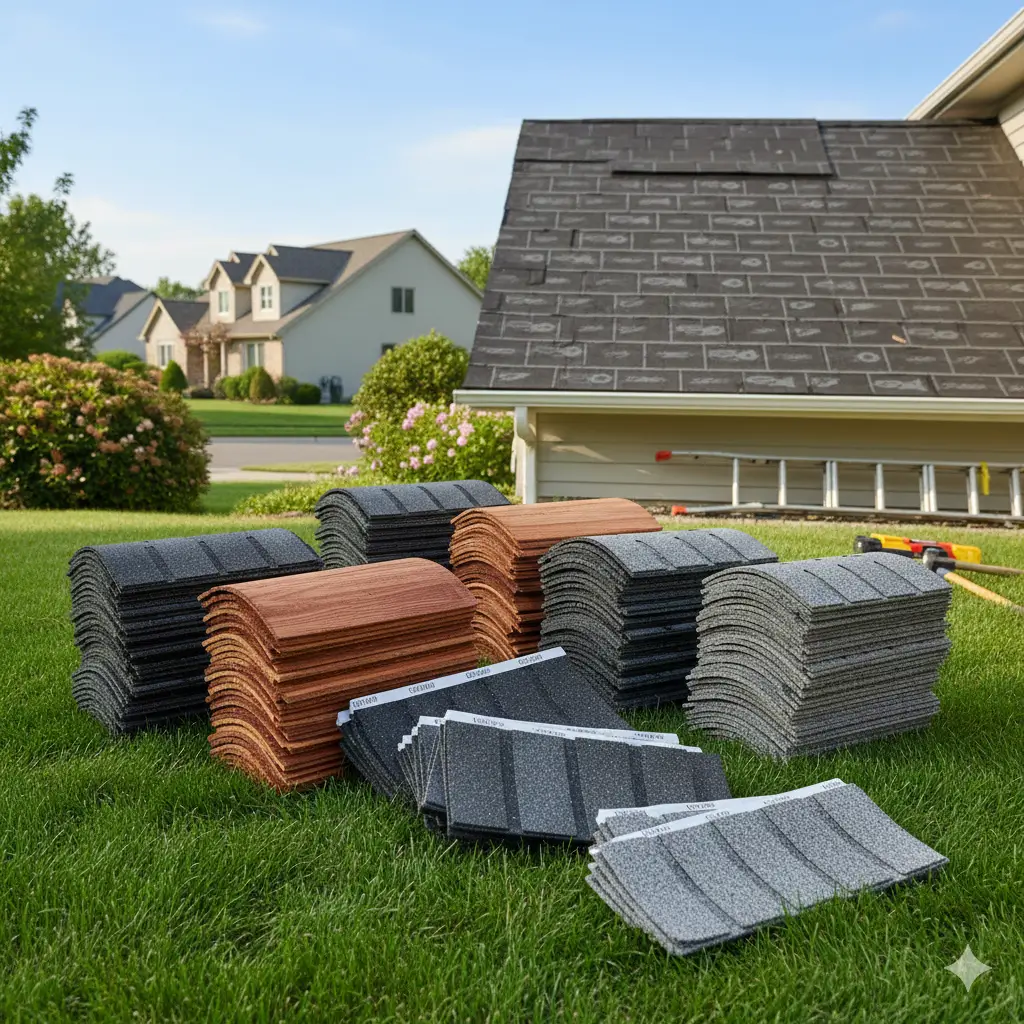
Table of Contents
When planning a roofing project, one of the first questions homeowners ask is, “How many shingles are in a bundle?” Understanding this is crucial not only for budgeting but also for ensuring you have the right amount of material to cover your roof efficiently. Shingles are packaged in bundles based on the type and coverage area, and knowing how to calculate the number you need can save time, money, and unnecessary trips to the store.
In this article, we’ll break down everything you need to know about shingle bundles, including types of shingles, bundle sizes, and tips for calculating how many bundles your roof will require. By the end, you’ll have a clear understanding of how to plan your roofing project like a pro.
Understanding Shingle Bundles
What is a Shingle Bundle?
A shingle bundle is a pre-packaged set of shingles sold together. Each bundle contains a specific number of shingles designed to cover a certain square footage of your roof. This packaging method simplifies ordering and estimating for roofing projects.
Why Shingles Are Packaged in Bundles?
Shingles are packaged in bundles to make it easier for roofers to calculate materials and reduce waste. Instead of counting each individual shingle, contractors can use bundles as a unit of measurement to estimate how many are needed for a roofing square (100 square feet). Bundles also protect the shingles during shipping and storage.
Shingle Count by Type (3-tab, Architectural, Laminated, etc.)
The number of shingles in a bundle varies depending on the type:
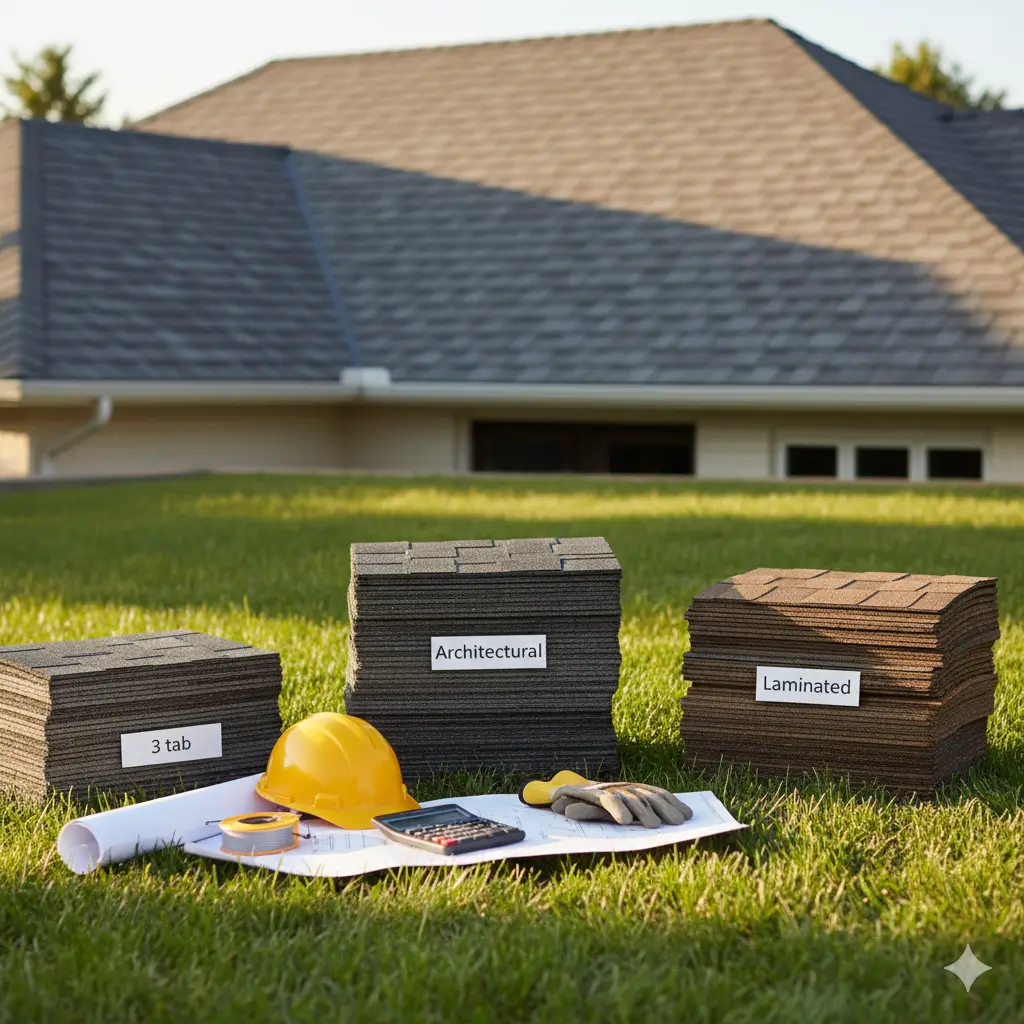
- 3-Tab Shingles: Typically 29–33 shingles per bundle.
- Architectural Shingles: Usually 20–26 shingles per bundle due to the thicker design.
- Laminated Shingles: Can vary, often 18–24 shingles per bundle, depending on layers and style.
Knowing the type of shingle you’re using is essential because it affects both coverage and the total number of bundles required.
Roofing Measurements Explained
What is a Roofing Square?
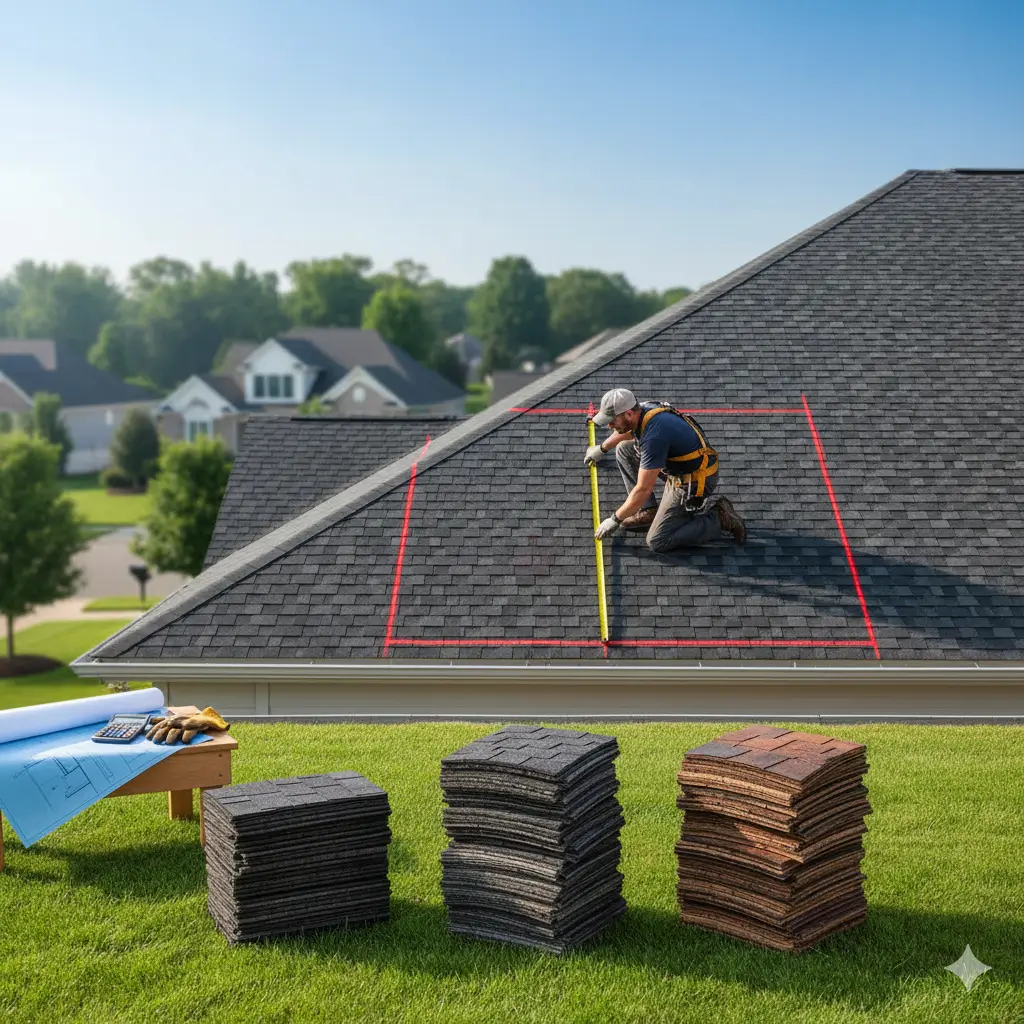
In roofing, a “square” is a standard unit of measurement equal to 100 square feet of roof area. Roofing contractors use squares to simplify calculations, making it easier to estimate how many shingles you’ll need. By knowing the number of squares on your roof, you can determine how many bundles of shingles to purchase and communicate more effectively with your contractor.
How Many Square Feet Are in a Bundle?
A bundle contains a set number of shingles designed to cover a specific area. The coverage varies depending on the shingle type:
- 3-Tab Shingles: Usually cover 33.3 sq. ft. per bundle.
- Architectural Shingles: Typically cover 25–32 sq. ft. per bundle because of their thicker, layered design.
- Luxury or Designer Shingles: Coverage can range from 20–25 sq. ft. per bundle, depending on the brand and shingle style.
Example: A CertainTeed Belmont bundle includes 12 shingles and covers 25 sq. ft., while CertainTeed Grand Manor comes with 10 shingles covering 20 sq. ft.
Knowing the coverage per bundle is essential for accurately calculating the number of bundles your roof requires.
Key Factors Affecting Shingle Coverage
Several variables can influence the number of shingles per bundle:
- Shingle Type: Thicker, dimensional, or architectural shingles typically contain fewer pieces per bundle compared to standard 3-tab shingles.
- Roof Design & Slope: Complex roofs with hips, valleys, or steep slopes may require more shingles and create additional waste.
- Manufacturer Differences: Bundles from different brands may vary slightly in coverage due to shingle thickness, size, or packaging standards.
- Waste Allowance: Always account for 10–15% extra shingles for cuts, overlaps, and mistakes during installation.
How to Calculate the Number of Shingle Bundles for Your Roof
Step 1: Measure the Roof Area
Before you can estimate how many bundles you need, you must calculate your roof’s total square footage.
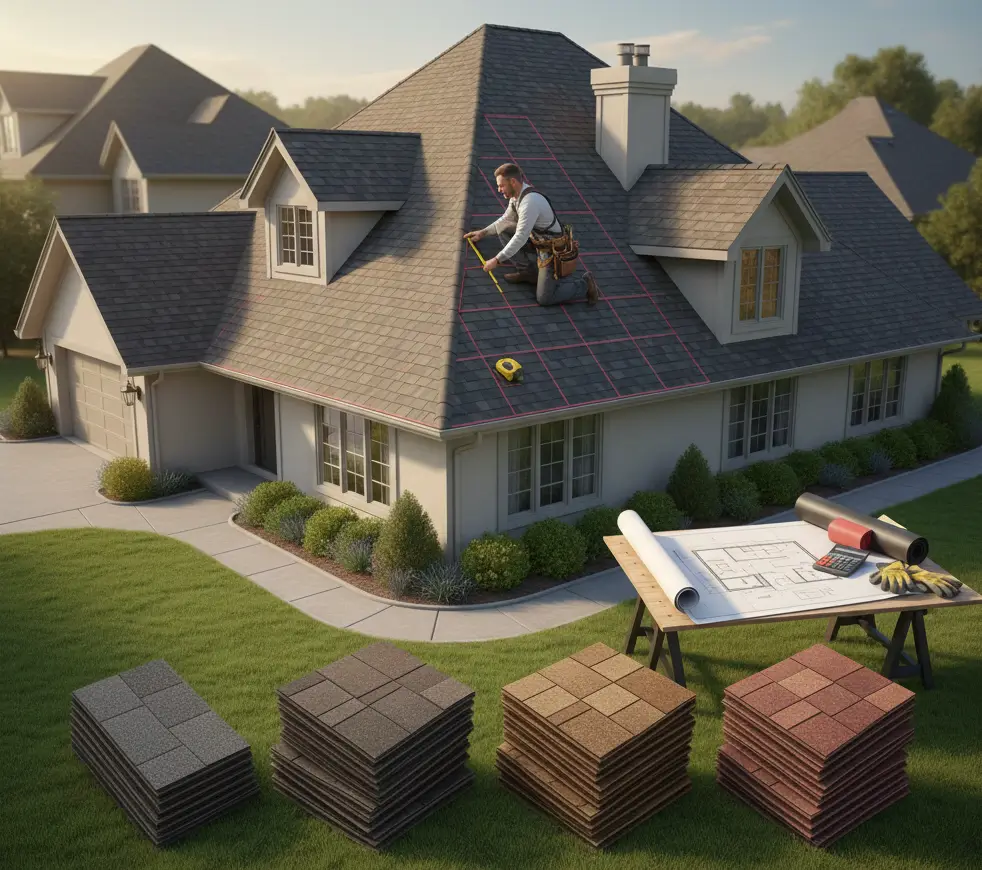
The easiest method is to divide the roof into simple sections (rectangles or triangles), then measure each section separately.
How to measure:
- Measure the length of each roof section.
- Measure the width of the same section.
- Multiply length × width to get the area.
- Add up the area of all sections for your total roof size.
Example:
A roof section measuring 30 ft × 40 ft = 1,200 sq. ft.
Important: Your home’s interior square footage is not the same as your roof’s square footage. Roofs extend past walls and have angles that increase total area.
Step 2: Convert Area to Roofing Squares
Roofers don’t work in square feet—they work in roofing squares.
1 roofing square = 100 sq. ft.
To convert:
Total roof area (sq. ft.) ÷ 100 = Total squares
Example:
1,200 sq. ft. ÷ 100 = 12 roofing squares
This simple conversion helps you calculate materials much more easily.
Step 3: Determine the Number of Bundles Needed
Once you know how many squares your roof has, you can calculate how many bundles of shingles to buy.
Most shingle types follow these general rules:
- 3-tab shingles: 3 bundles per square
- Architectural shingles: 3–4 bundles per square
- Luxury shingles: 4–6 bundles per square (depends heavily on brand)
Example using 3-tab or architectural shingles:
12 squares × 3 bundles per square = 36 bundles
For luxury shingles:
12 squares × 5 bundles per square (average) = 60 bundles
Accounting for Waste, Valleys, and Roof Complexity
Don’t order exactly what the math tells you—roof installations involve cutting, trimming, and fitting shingles around features like:
- Valleys
- Hips and ridges
- Dormers
- Chimneys
- Edges and overhangs
These areas create waste that must be accounted for.
General waste allowance:
- Simple roofs: +5%
- Moderate roofs: +10%
- Complex roofs with many angles: +12–15%
Example with 10% waste:
36 bundles × 1.10 = 39.6 → round up to 40 bundles
This ensures you don’t run out of shingles mid-installation.
Eaves Protection and Starter Strips
Before you install your shingles, you need two essential components: eaves protection and starter strips. These materials are not included in standard shingle bundles, so they must be calculated separately.
Eaves Protection (Ice & Water Shield):
- Installed along the roof’s edges to prevent leaks caused by ice dams or wind-driven rain.
- Typically sold in rolls and added to your total roofing material requirements.
Starter Strips:
- The very first row of shingles is placed along the roof’s eaves and rakes.
- Ensures proper shingle alignment and wind resistance.
- Often sold in separate bundles, though some roofers cut starter strips from 3-tab shingles.
Tip: Forgetting starter strips is a common mistake for DIYers—and it leads to roof-edge lifting and early shingle failure.
Hip, Ridge, and Valley Shingles
Not all roof areas use standard shingles. Some parts require specialized shingles, which means you may need extra bundles beyond your main roof coverage.
Hip and Ridge Shingles:
- Installed on the highest points of your roof.
- Provide waterproofing and add the final finished look.
- Usually packaged separately from field shingles.
- Quantity depends on the total length of the hips and ridges.
Valley Shingles:
- Valleys (where two roof slopes meet) require extra protection because they handle the most water flow.
- Some roofs use woven or cut valley techniques, which require additional full shingles.
- Others use a valley roll or metal flashing, which reduces shingle use but increases material costs.
Failing to calculate hip, ridge, and valley material often results in mid-project shortages.
How Roof Slope Affects Shingle Quantity
Your roof’s pitch (steepness) directly impacts how many shingles you need.
Why pitch matters:
- A steeper roof has more surface area, even if the base footprint is the same.
- Steeper roofs require more overlapping for proper water shedding.
- Workers also waste more shingles due to cuts made on steep angles.
General guidelines:
- Low-slope roofs (2/12–4/12): Minimal extra shingles needed
- Moderate slopes (5/12–7/12): Add ~5%
- Steep slopes (8/12 and above): Add 10–15% to account for increased cutting and coverage
Example:
A 12-square steep roof may require:
12 squares × 1.10 = 13.2 → round to 14 squares of coverage
Roof pitch is one of the most overlooked factors when people calculate shingle quantities.
Packaging and Bulk Orders
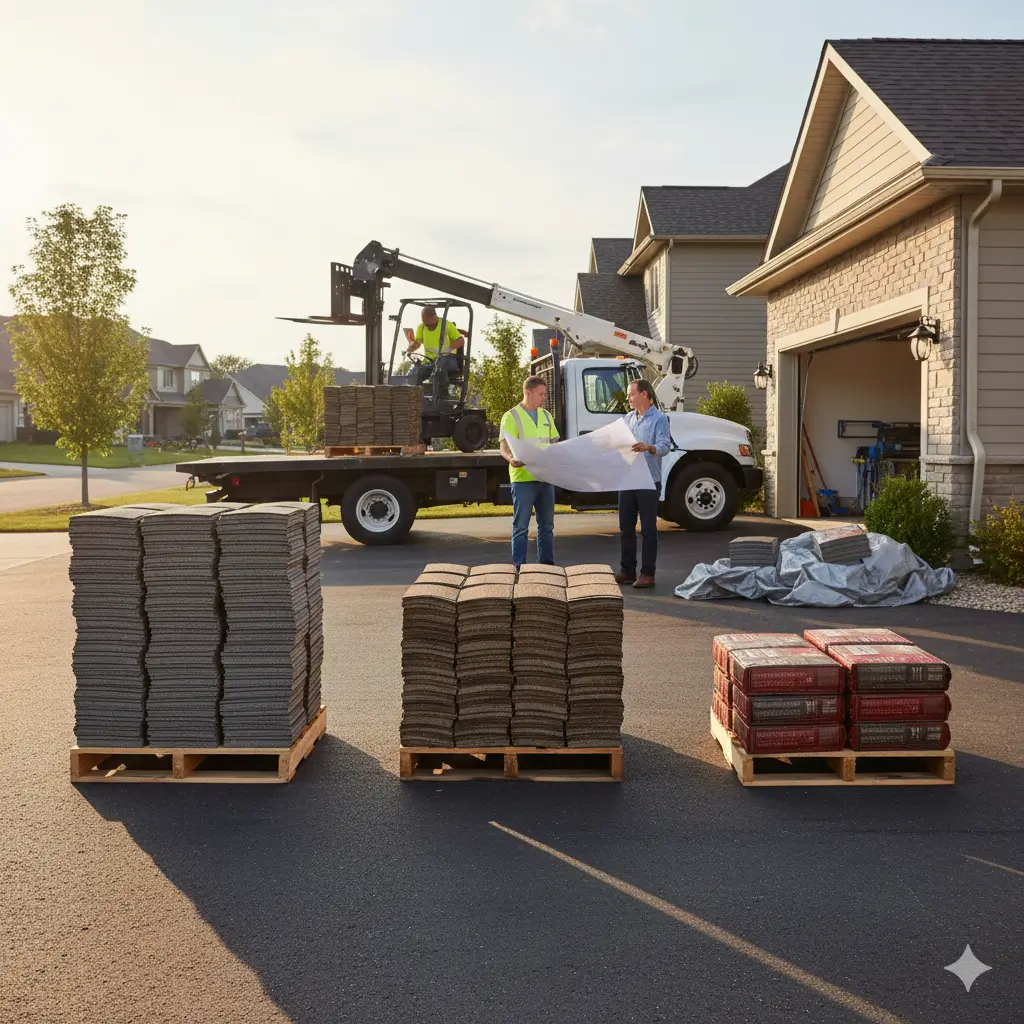
How Many Bundles Fit on a Pallet?
When you’re working on a larger roofing project, shingles are often delivered in pallets, not individual bundles. The number of bundles per pallet depends on the shingle type, weight, and manufacturer’s packaging.
Here’s a helpful guideline:
- 3-tab shingles: Usually 42–66 bundles per pallet
- Architectural (dimensional) shingles: Typically 45–60 bundles per pallet
- Luxury/heavyweight shingles: Often 20–36 bundles per pallet (these are thicker and heavier)
Why it varies:
Manufacturers need to balance weight limits for forklifts, transport vehicles, and safe warehouse storage. Thicker shingles = fewer bundles per pallet.
Pro tip: Always check the manufacturer’s data sheet—every product line has slightly different weights and packaging.
Ordering Tips for Large Projects
If you’re ordering shingles for a full roof replacement, planning ahead can save money and prevent delays. Here are some smart tips:
1. Order all shingles from the same batch
Shingle color can vary slightly between manufacturing batches (called lot numbers). Ordering everything at once ensures a consistent color across the entire roof.
2. Buy a little extra for waste
Large roofs always involve extra cutting and trimming.
Most pros recommend ordering 5–10% extra, or 10–15% for steep or complex roofs.
3. Consider delivery access
If your driveway is narrow or steep, the supplier may not be able to place the pallet close to the house. Plan for:
- Ground drop
- Garage delivery
- Roof-top boom delivery (extra fee)
4. Store unused bundles properly
Shingles can warp if exposed to extreme heat or moisture. Keep spare bundles in:
- A cool, dry, flat area
- Away from direct sunlight
- Still sealed in original packaging.
5. Compare bulk pricing
Buying by the pallet sometimes saves money, but not always. Prices vary depending on:
- Seasonal demand
- Brand
- Store promotions
- Contractor discounts
A quick phone call to several suppliers can save hundreds of dollars on a big order.
Choosing the Right Shingles for Your Roof

Asphalt vs. Architectural vs. Specialty Shingles
Once you understand how many shingles come in a bundle and how to calculate coverage, the next important step is choosing the right type of shingle for your roofing project. Each shingle type offers different benefits in terms of appearance, strength, and price—so choosing wisely can impact your roof’s performance for decades.
1. 3-Tab Asphalt Shingles
These are the most affordable and traditional shingles.
Best for:
- Budget-friendly projects
- Simple roof designs
- Homeowners needing a quick replacement
Pros: Lightweight, easy to install, cheaper upfront
Cons: Shorter lifespan, less wind resistance, flat appearance
2. Architectural (Dimensional) Shingles
The most popular choice today, offering a layered, 3D look.
Best for:
- Homeowners want better durability
- Boosting curb appeal
- Withstanding strong winds and storms
Pros: Longer lifespan, better warranties, more attractive
Cons: Slightly more expensive
3. Luxury / Specialty Shingles
Made to mimic slate or wood shakes while offering superior durability.
Best for:
- High-end homes
- Maximum durability
- Style-focused homeowners
Pros: Thickest material, premium look, longest warranties
Cons: Highest price, heavier weight
Durability, Warranty, and Cost Considerations
Choosing the right shingle isn’t just about looks—it’s about long-term performance, investment value, and protection.
Here’s what to evaluate:
1. Durability
Durability depends on material thickness, weight, and design.
- Architectural shingles typically last 25–30 years.
- Specialty shingles can last up to 40–50 years.
- 3-tab shingles usually last 15–20 years.
Also consider:
- Wind ratings
- Impact resistance
- Weather resistance (important in hot, cold, or storm-heavy areas)
2. Warranty Options
Most manufacturers offer:
- Basic warranties: ~25 years
- Enhanced warranties: Often lifetime, sometimes transferable
- Wind/hail upgrades depending on the shingle grade
Pro tip: Better shingles often come with better warranties, making them a smarter long-term investment.
3. Cost Considerations
Cost depends on:
- Shingle type (3-tab vs. architectural vs. luxury)
- Brand
- Local supply prices
- Labor cost in your area
General price expectations:
- 3-tab: Lowest cost
- Architectural: Mid-range but best value
- Luxury: Premium price
If you want a balance between appearance, durability, and price, architectural shingles are usually the best choice for most homeowners.
FAQ
A typical bundle of 3-tab asphalt shingles contains around 26–29 shingles, depending on the manufacturer. This amount is designed to cover about 33.3 sq. ft., which is one-third of a roofing square.
Keep in mind: manufacturers may slightly adjust shingle count based on shingle size, weight, and packaging.
Yes, you can install shingles yourself—but it’s not recommended for most homeowners. Shingle installation requires:
- Proper tools
- Ladder safety
- Knowledge of underlayment, flashing, and nail placement
- Understanding of ventilation and drip-edge installation
Incorrect installation can void warranties, cause leaks, and lead to expensive repairs. If you’re not experienced with roofing, it’s safer (and often cheaper long-term) to hire a professional roofer.
Most standard shingle bundles cover roughly 33.3 sq. ft. of roof area.
However, coverage varies based on:
- Shingle type (3-tab vs. architectural vs. luxury)
- Brand
- Roof pitch (steeper roofs require more shingles)
- Waste from cuts, edges, and valleys
Always check the product label for exact coverage before ordering.
Waste is a normal part of roofing—especially around hips, valleys, ridges, and roof edges. To calculate how many extra bundles you need:
- Start with your total required bundles
(Calculated earlier from the roof area and squares) - Add waste based on roof complexity:
- Simple roofs: add 5% extra
- Moderately complex roofs: add 7–10% extra
- Complex roofs with lots of valleys/angles: add 10–15% extra
Example:
You need 30 bundles for full coverage.
Your roof has moderate complexity → add 10% waste.
10% of 30 = 3 extra bundles
Total to buy = 33 bundles
This ensures you don’t run out mid-project—and you’ll have a few spare shingles for future repairs.