
What Does a 3/12 Roof Slope Mean? (Complete Guide for Homeowners & DIYers)
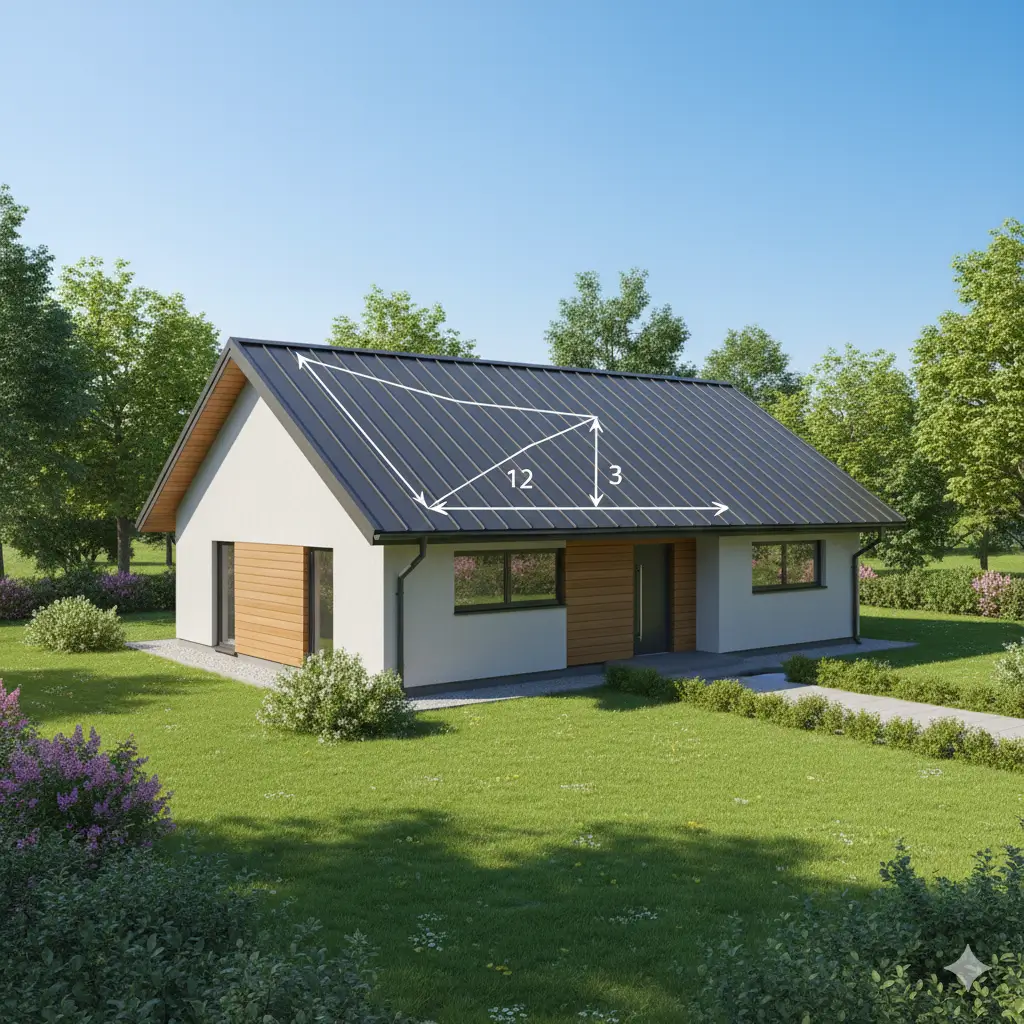
A 3/12 roof slope—often written as 3 over 12, 3:12, or simply “three-twelve”—is one of the most common low-slope roof configurations used in both residential and light-commercial construction. The term describes how much a roof rises vertically for every 12 inches of horizontal distance. In this case, the roof climbs 3 inches for every foot of run, giving it a gentle, easy-to-recognise incline.
Whether you’re planning a roofing project, choosing materials, or trying to understand structural terms like pitch, slope, or plumb cuts, knowing what a 3/12 roof slope means is essential. This guide breaks everything down in simple language—explaining the angle, how it works, why it’s used, and what makes it different from steeper or flatter roof designs—so homeowners and DIYers can make informed decisions with confidence.
Understanding What 3/12 Roof Slope Means
The Basic Definition of Roof Slope or Roof Pitch
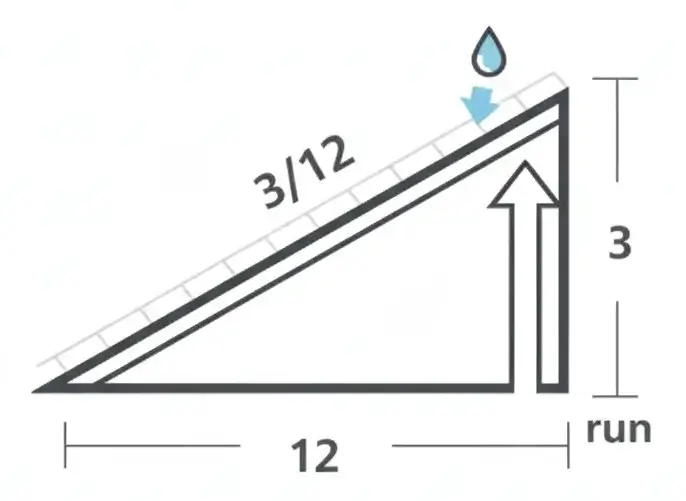
Roof slope—also known as roof pitch—describes how steep or shallow a roof is. Instead of using degrees, builders typically express pitch as a ratio of vertical rise to horizontal run. This ratio helps homeowners, roofers, and designers understand how water drains off a roof, what materials are suitable, and how the overall structure will look.
In simple terms, pitch answers the question:
“How much does the roof go up for every foot it goes outward?”
Explaining “3 Rise Over 12 Run”
When a roof is labelled as 3/12, it means the roof rises 3 inches for every 12 inches (1 foot) of horizontal distance. This creates a gentle, low-slope profile—flatter than mid-slope roofs like 6/12 but steeper than nearly flat roofs.
A 3/12 slope is common on:
- Ranch-style homes
- Modern low-slope designs
- Garages and sheds
- Additions or porch roofs
Understanding this ratio is important because it influences everything from roofing material requirements to water drainage performance. Even though the number seems small, that slight rise determines how effectively the roof sheds rain and snow and how the finished structure will appear from the curb.
What Angle Is a 3/12 Roof Slope?
How Pitch Converts to Degrees
Roof pitch is commonly written as a ratio like 3/12, but many homeowners prefer to understand it in actual degrees. Converting pitch to degrees helps visualise the slope and is especially useful for tasks like cutting rafters, setting trusses, or planning roofing safety.
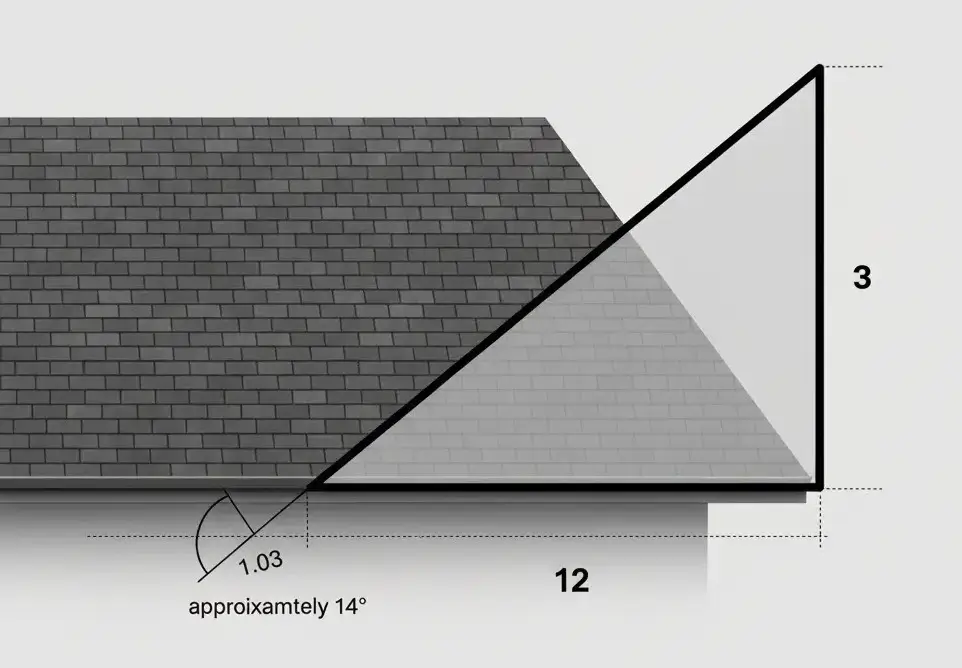
To convert pitch to degrees, you use a little bit of geometry. The pitch ratio forms a right triangle, and the roof angle is the arctangent (inverse tangent) of the rise divided by the run.
Formula + Angle for a 3/12 Roof
Here’s the simple formula:
Angle (in degrees) = arctan(rise ÷ run)
For a 3/12 pitch:
- Rise = 3
- Run = 12
Angle = arctan(3/12)
Angle ≈ 14.04°
So a 3/12 roof slope has an angle of roughly 14 degrees, making it noticeably gentler compared to mid-slope roofs like 6/12 (≈26.6°).
This is why 3/12 roofs are considered low-slope—they’re not flat, but they don’t have the sharp incline of taller roof systems.
Pitch Factor for a 3/12 Roof
The pitch factor—important for calculating rafter lengths and material estimates—is the diagonal length of the roof for every 12 inches of run.
For a 3/12 roof, the pitch factor is:
Pitch Factor = 1.03
This means that for every foot of horizontal run, the rafter length increases by about 1.03 feet due to the slight incline.
Understanding the angle and pitch factor is crucial when planning cuts, ordering materials, or determining load requirements.
Is a 3/12 Roof Slope Considered Low?
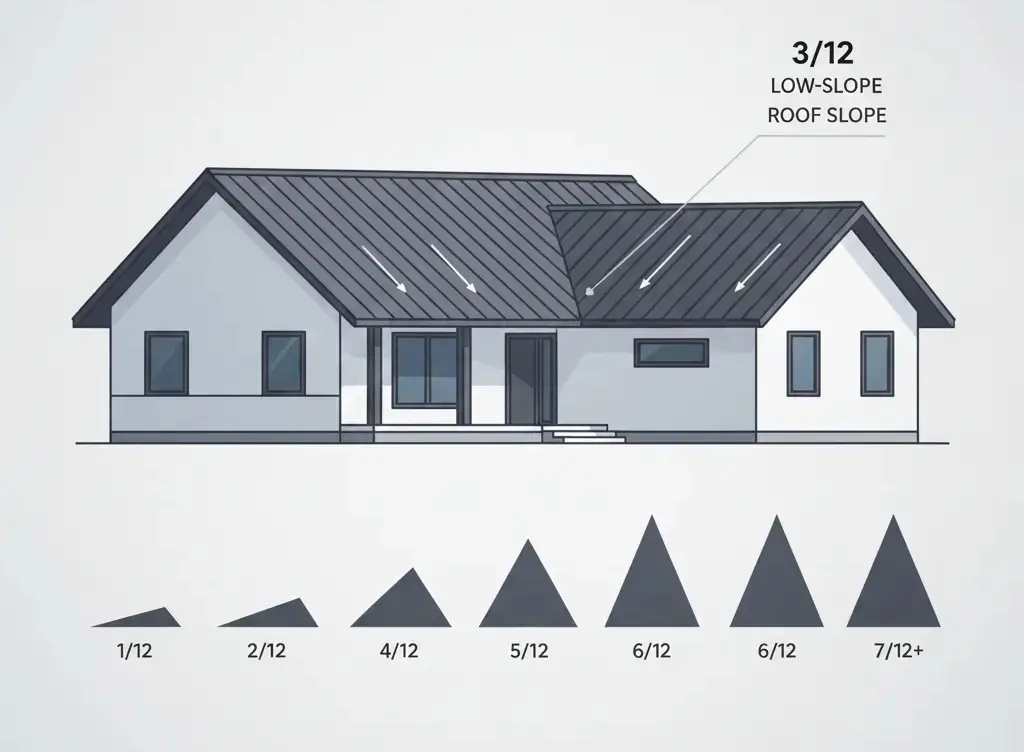
A 3/12 roof slope is classified as a low-slope roof, meaning it has a gentle incline that sits between traditional pitched roofs and near-flat roofing systems. While it still sheds water effectively, its shallow profile makes material selection, waterproofing, and installation methods more important than with steeper roofs.
Comparison to Other Common Roof Slopes
To understand what “low-slope” really means, it helps to compare a 3/12 pitch to other popular roof slopes:
- 1/12 – 2/12: Considered a very low slope or nearly flat. These typically require membrane roofing (TPO, EPDM, modified bitumen).
- 3/12 – 4/12: Low-slope range. Can use shingles or metal roofing, but requires enhanced underlayment and careful installation.
- 5/12 – 6/12: Standard residential pitch. Offers good drainage and works well with most roofing materials.
- 7/12 and above: Steep-slope roofs. Excellent drainage, highly visible, and often used for architectural appeal.
With a 3/12 slope, drainage is adequate but not as fast as mid- or steep-slope roofs. That’s why roofing manufacturers often specify minimum pitch guidelines for shingles and metal panels in this range.
Pros & Cons of a 3/12 Pitch Roof
✔ Pros
- Cost-effective construction: Less material and simpler framing compared to steep roofs.
- Safer to walk on: The gentle incline makes basic maintenance easier for professionals.
- Modern, low-profile look: Fits well with contemporary, ranch-style, and minimalist home designs.
- Lower wind resistance: Shallow slopes catch less wind, which can reduce uplift in storm-prone regions.
✘ Cons
- Slower drainage: Water and snow move off more slowly, increasing the importance of proper underlayment.
- Material limitations: Not all roofing materials perform well on low slopes without special installation methods.
- Higher leak risk if installed poorly: Flashing, sealing, and underlayment must be done with precision.
- Reduced attic space: The shallow angle typically results in a lower interior attic height.
Overall, a 3/12 slope offers a good balance between aesthetics, practicality, and cost—but it requires careful material selection and proper installation to ensure long-term performance.
How a 3/12 Roof Slope Affects Roof Design
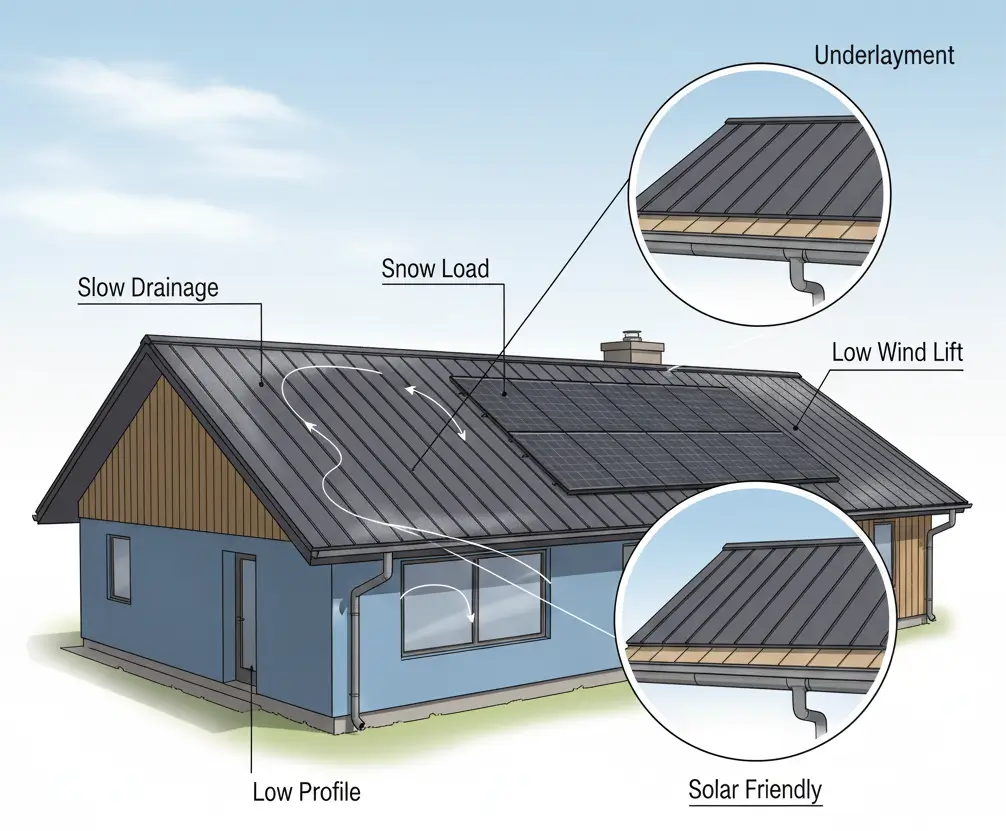
A 3/12 roof slope has a noticeable influence on a building’s performance, aesthetics, and structural requirements. Because it sits in the low-slope range, it behaves differently from both flat roofs and steeply pitched roofs. Understanding these factors helps homeowners choose suitable materials, ensure proper installation, and design a roof that performs well in their climate.
Drainage & Water Runoff Considerations
Drainage is one of the most important design factors for a 3/12 roof. Although this pitch provides enough incline to move rainwater off the roof, it drains more slowly compared to mid- or steep-slope roofs. This slower runoff makes the roof more sensitive to:
- Standing water during heavy storms
- Ice formation in colder climates
- Debris buildup in valleys or gutters
- Underlayment performance (requires high-quality moisture barriers)
To prevent moisture issues, roofing systems on a 3/12 slope often require:
- Ice and water shield in vulnerable areas
- Properly sized gutters and downspouts
- Clean, unobstructed drainage paths
- Careful flashing around chimneys, skylights, and vents
When correctly installed, a 3/12 slope drains efficiently—but it must be designed with water movement in mind.
Snow Load & Climate Suitability
In snowy regions, a 3/12 roof can handle snow accumulation well, but because of its gentle angle, snow tends to rest on the surface longer instead of sliding off quickly. This means:
- The roof must be engineered for adequate load-bearing capacity
- Material selection becomes more important (metal performs exceptionally well on low slopes)
- Ice dams are more likely, making high-quality underlayment essential.
In warm or rainy climates, the slope performs well as long as waterproofing layers are installed correctly.
Architectural Style & Aesthetic Impacts
A 3/12 pitch contributes to a clean, low-profile architectural look. It’s commonly used in:
- Ranch-style homes
- Modern and contemporary designs
- Farmhouse additions
- Garages and porches
- Transitional and minimalist architecture
Because the slope is gentle, the roof appears sleeker and less imposing than a steep roof. This can make the structure feel wider, more modern, and visually grounded.
At the same time, the low pitch allows:
- Easier installation of solar panels
- Reduced wind resistance
- Simplified framing
- Lower construction costs
The aesthetic appeal combined with practical performance makes 3/12 a popular choice for homeowners seeking a balance between modern style and functional design.
Roofing Materials Suitable for a 3/12 Slope
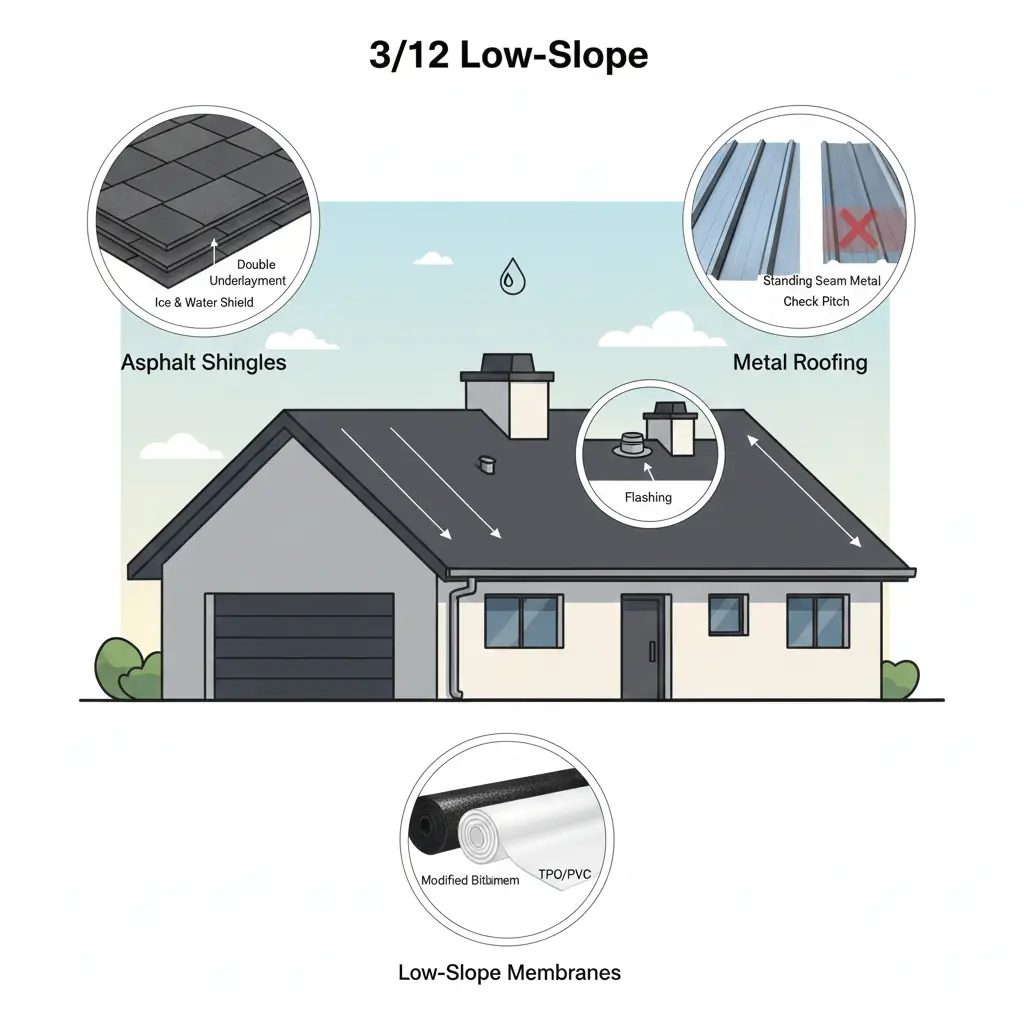
Choosing the right roofing material is essential for a 3/12 slope because low-slope roofs require stronger water protection and carefully installed materials. While many roofing types can be used on this pitch, not all perform equally well unless installed according to manufacturer guidelines. Below are the best material options for a 3/12 roof, including minimum requirements and installation tips.
Asphalt Shingles – Minimum Requirements
Asphalt shingles can be used on a 3/12 slope, but only when installed with enhanced waterproofing. Most major shingle manufacturers specify 3/12 as the minimum allowable pitch, provided the following standards are met:
- Double-layer underlayment or approved low-slope underlayment
- Ice and water shield in valleys and eaves
- Proper nailing patterns to prevent wind uplift
- Careful sealing to reduce the risk of wind-driven rain penetration
A standard single layer of felt is not enough for this pitch. With the correct underlayment and installation, asphalt shingles can perform well on a 3/12 roof, but they require more attention to detail than on steeper slopes.
Metal Roofing – Pitch Requirements
Metal roofing is one of the best materials for a 3/12 slope due to its durability and excellent water-shedding capabilities. However, not all metal panels are designed for low-slope applications.
General guidelines for a 3/12 slope:
- Standing seam metal roofing is ideal and commonly approved for 3/12 pitches.
- Corrugated (exposed fastener) panels may require a minimum of 3/12 or sometimes 4/12, depending on the manufacturer.
- Panels must have proper seam height and sealant to prevent capillary action and leaks.
While competitors emphasise specific brands, the universal point is this:
Metal roofs perform very well on 3/12 slopes—providing they meet the minimum pitch requirement and are installed with correct sealing and fastening.
Roll Roofing & Low-Slope Membranes
For homeowners seeking a more economical or specialised low-slope solution, roll roofing and membrane systems can also be used on a 3/12 roof.
Common options include:
- Modified bitumen (torch-down or peel-and-stick)
- EPDM rubber roofing
- TPO and PVC membranes
These materials excel at waterproofing because they form nearly continuous, sealed surfaces. They are especially useful in climates with heavy rain or snow, or for buildings where low maintenance and maximum leak protection are priorities.
Material Installation Tips for Low Slopes
Regardless of material choice, successful installation on a 3/12 slope requires attention to detail:
- Use high-grade underlayment designed for low-slope roofing.
- Seal transitions around chimneys, vents, skylights, and walls with premium flashing.
- Ensure adequate ventilation to prevent moisture buildup under the roof deck.
- Follow manufacturer-specific pitch requirements—never install a material that is not rated for 3/12 slopes.
- Maintain gutters and drainage paths to avoid standing water.
When these guidelines are followed, a 3/12 roof can be both durable and attractive, providing long-term protection with the right material selection.
Installation Factors for 3/12 Roofs
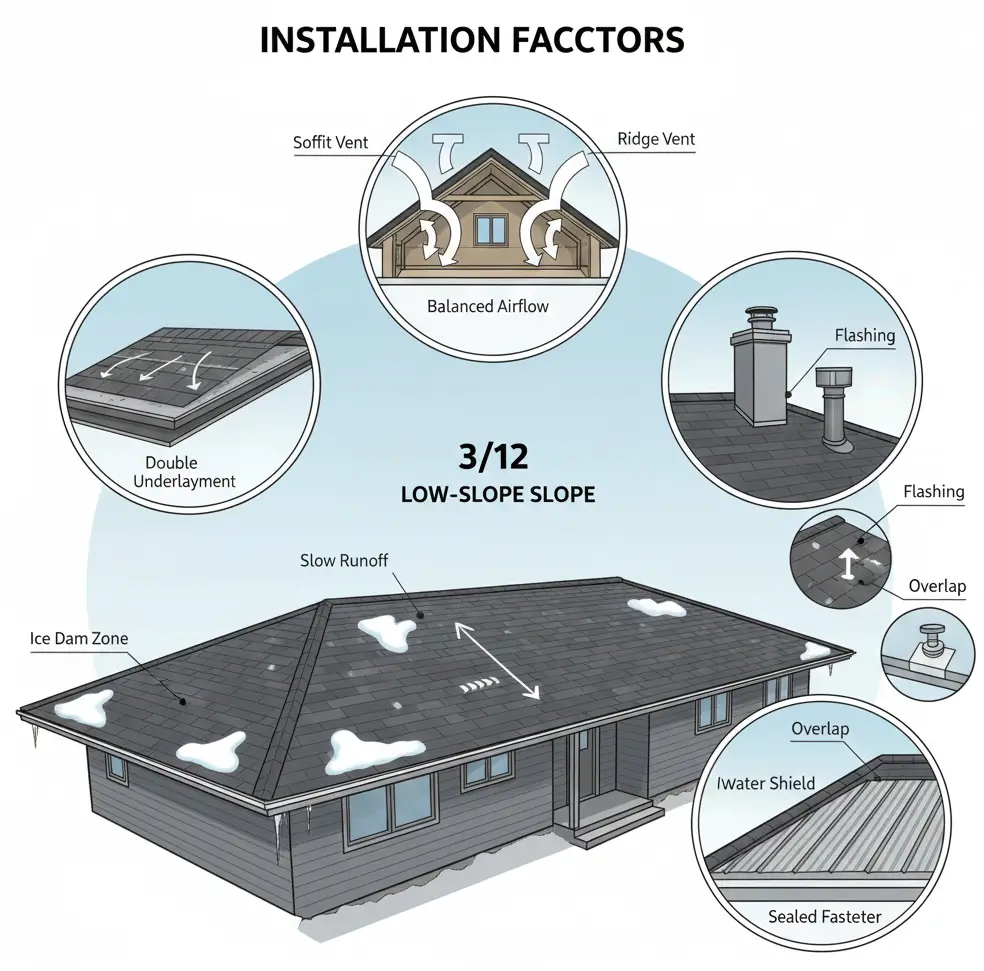
A 3/12 roof slope is easier to work on than steeper roofs, but its gentle incline requires more precise installation practices to ensure long-term performance. Because water drains more slowly on low slopes, the roofing system must be built with enhanced moisture protection, better airflow, and carefully sealed transitions.
Underlayment Recommendations
Underlayment is one of the most critical components of a 3/12 roof. Traditional single-layer felt underlayment is not adequate for low slopes. Instead, roofing manufacturers typically recommend:
- Double-layer underlayment (for asphalt shingles)
- Synthetic low-slope underlayment designed for enhanced water resistance
- Ice and water shield installed:
- Along eaves
- In valleys
- Around chimneys, skylights, and penetration points
- Along eaves
These layers provide extra protection against slow-moving rainwater, wind-driven moisture, and ice dams—common concerns with low-pitch roofs.
Leak Prevention for Low-Pitch Roofs
Since a 3/12 slope doesn’t shed water as aggressively as a steep roof, leak prevention must be handled with precision. Key practices include:
- Proper flashing installation at all roof joints, edges, and vertical transitions
- Sealed fasteners (especially for metal roofing or exposed-fastener panels)
- Continuous, watertight seams in membrane roofing
- Correctly overlapped shingle courses to prevent capillary action.
- Ensuring gutters and downspouts are sized correctly to handle slower runoff
Any shortcut in these areas can lead to premature leaks, so professional installation is strongly recommended.
Ventilation Considerations
Adequate ventilation is essential for controlling moisture inside the attic and extending the life of the roofing system. A 3/12 slope may have less attic volume, which makes airflow even more important.
Best practices for ventilation include:
- Balanced intake and exhaust vents (ridge vents + soffit vents)
- Maintaining continuous airflow beneath the roof deck
- Preventing hotspots that can prematurely age shingles or roofing panels
- Reducing condensation that can damage wood framing or insulation
Proper ventilation also helps prevent ice dams in colder climates—one of the most common issues with low-slope roofs.
Walking on a 3/12 Roof—Is It Safe?
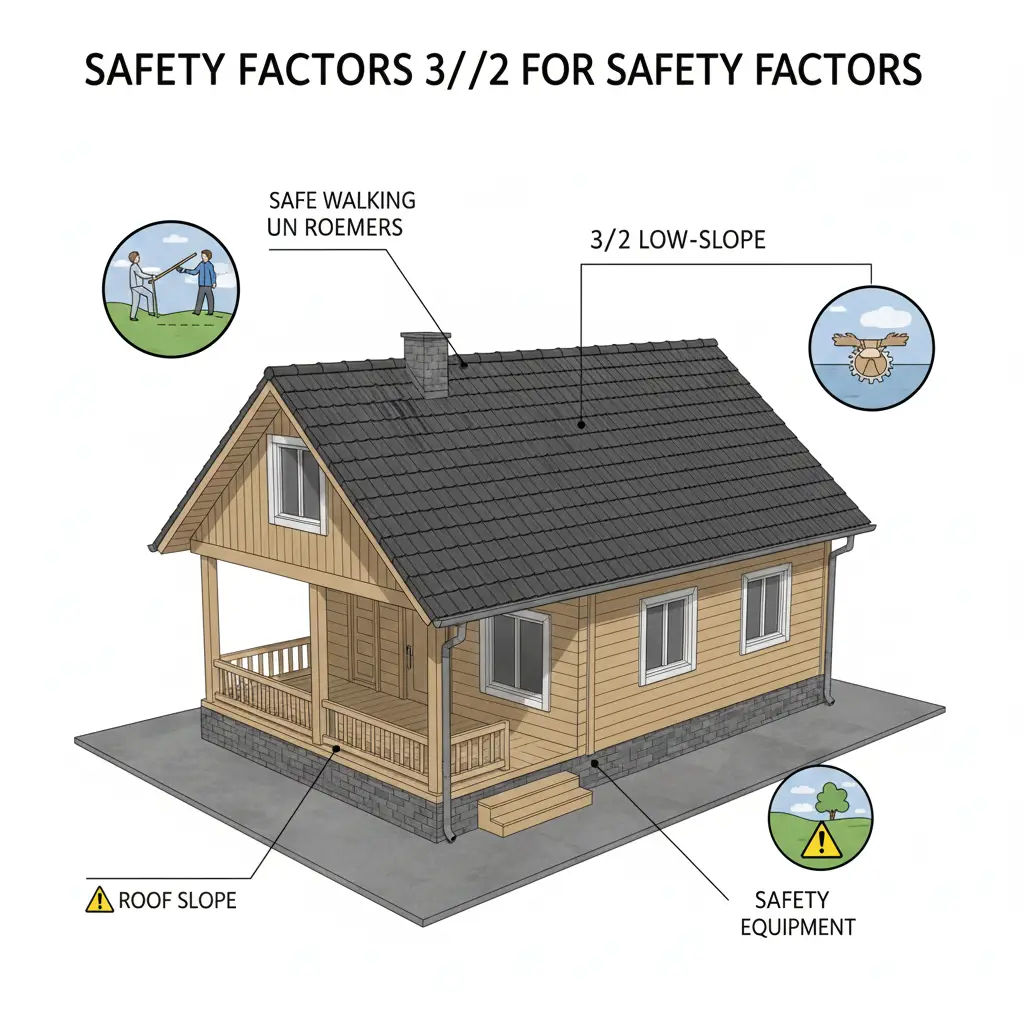
A 3/12 roof slope, with its gentle rise of 3 inches per foot of run (≈14° angle), is considered a low-slope roof. This makes it easier to walk on than mid- or steep-pitch roofs, but safety should always be the top priority. Even though the incline is relatively mild, improper footing or insufficient precautions can lead to accidents.
Safety Tips for Low-Slope Roofs
- Use proper footwear: Non-slip shoes with good traction reduce the risk of slipping.
- Work with safety equipment: Harnesses, ropes, or guardrails are recommended for any roofing work.
- Watch the weather: Avoid walking on the roof when it’s wet, icy, or covered with debris.
- Move carefully: Take small steps and maintain three points of contact (two hands, one foot or vice versa).
- Keep tools and materials secure: Loose items can create trip hazards or slide down the slope.
Even on a gentle 3/12 slope, these precautions prevent falls and injuries, especially for DIY homeowners who may not have professional training.
When to Avoid Walking on the Roof
- During rain, snow, or ice accumulation, even a low slope becomes slippery.
- If the roof surface is damaged or weakened, rotting plywood or loose shingles can fail under weight.
- Without proper safety equipment, a harness or ropes are strongly recommended for any roof access.
- For prolonged work, extended periods on the roof increase fatigue and accident risk.
While a 3/12 roof is generally easier to navigate than steeper slopes, leaving major roofing tasks to trained professionals is the safest approach. Homeowners can safely inspect or perform light maintenance if precautions are followed, but avoid heavy work or walking in unsafe conditions.
Plumb Cut Basics for a 3/12 Roof
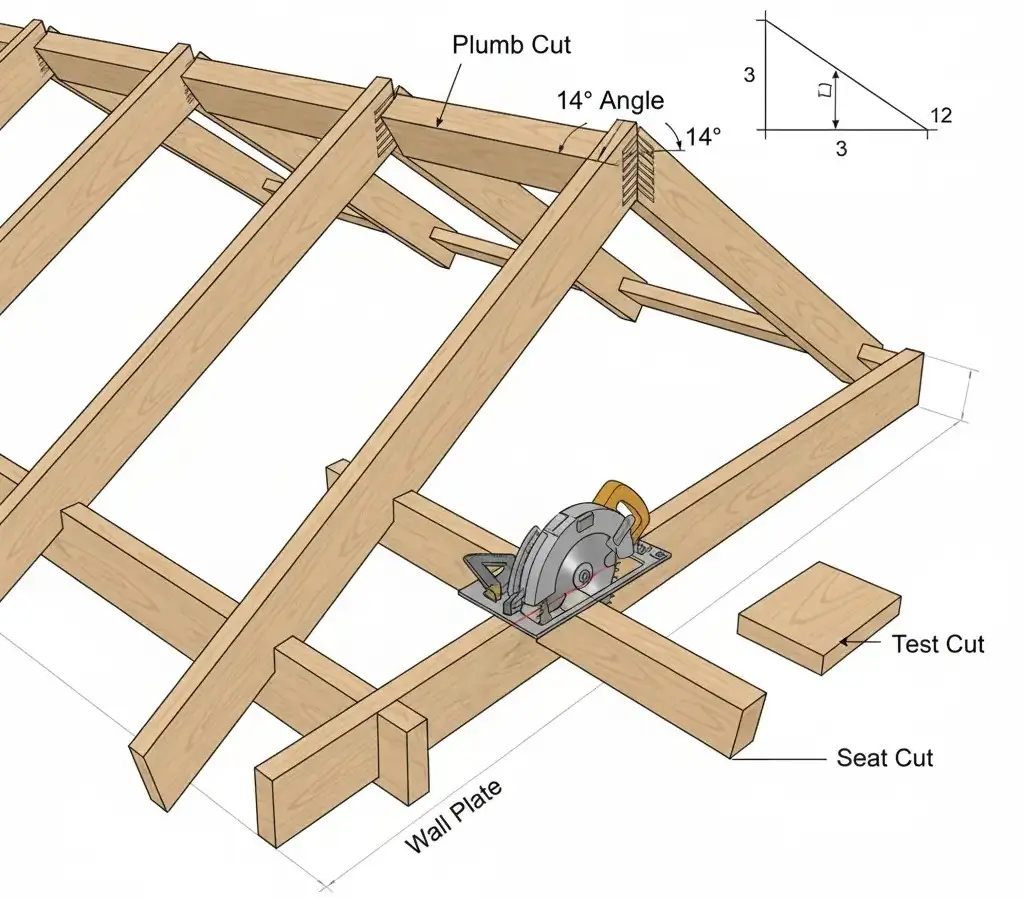
For those interested in roof framing, understanding a plumb cut is valuable—even if you’re not doing the work yourself. A plumb cut is the angled cut made at the top of a rafter where it meets the ridge board. For a 3/12 roof slope, this cut is essential to ensure the rafters fit snugly and the roof structure is strong and weather-tight.
What a Plumb Cut Is
A plumb cut is a vertical or angled cut at the rafter’s top that allows it to sit flush against the ridge board. It differs from a seat cut (birdsmouth cut), which is horizontal and rests on the wall plate.
In simple terms:
- Plumb cut: Top of the rafter meets the ridge board
- Seat cut: Bottom of the rafter, rests on the all
For a 3/12 slope, the plumb cut ensures the roof rafters align correctly, creating a smooth roofline and preventing gaps that could allow leaks.
How to Calculate a Plumb Cut for a 3/12 Slope
To determine the correct angle for a 3/12 roof:
- Measure the slope: Rise = 3 inches, Run = 12 inches
- Convert slope to angle: Use the formula.
Angle=arctan(RiseRun)\text{Angle} = \arctan\left(\frac{\text{Rise}}{\text{Run}}\right)Angle=arctan(RunRise)
For 3/12: arctan(3/12)≈14°\arctan(3/12) ≈ 14°arctan(3/12)≈14° - Mark the rafter: Use a speed square or framing square to draw the cut line.
- Cut the rafter: Set your circular saw or mitre saw to 14° and make the plumb cut.
Correctly calculating and cutting the plumb cut ensures a tight fit, structural alignment, and effective weight distribution across all rafters.
Common Mistakes to Avoid
Even small errors in plumb cuts can create problems like misaligned rafters, uneven rooflines, or leaks. Avoid these common mistakes:
- Using the wrong angle: Always double-check the slope angle before cutting
- Incorrect rise/run measurement: Misreading the roof pitch leads to a poor fit
- Skipping test cuts: Practice on scrap lumber first to confirm your saw settings
- Forgetting the seat cut: A plumb cut alone is not enough; ensure the rafter rests properly on the wall plate
By carefully calculating and cutting the plumb angle, a 3/12 roof can be framed accurately, ensuring a strong and professional-quality roof structure.
Maintenance Tips for a 3/12 Slope Roof
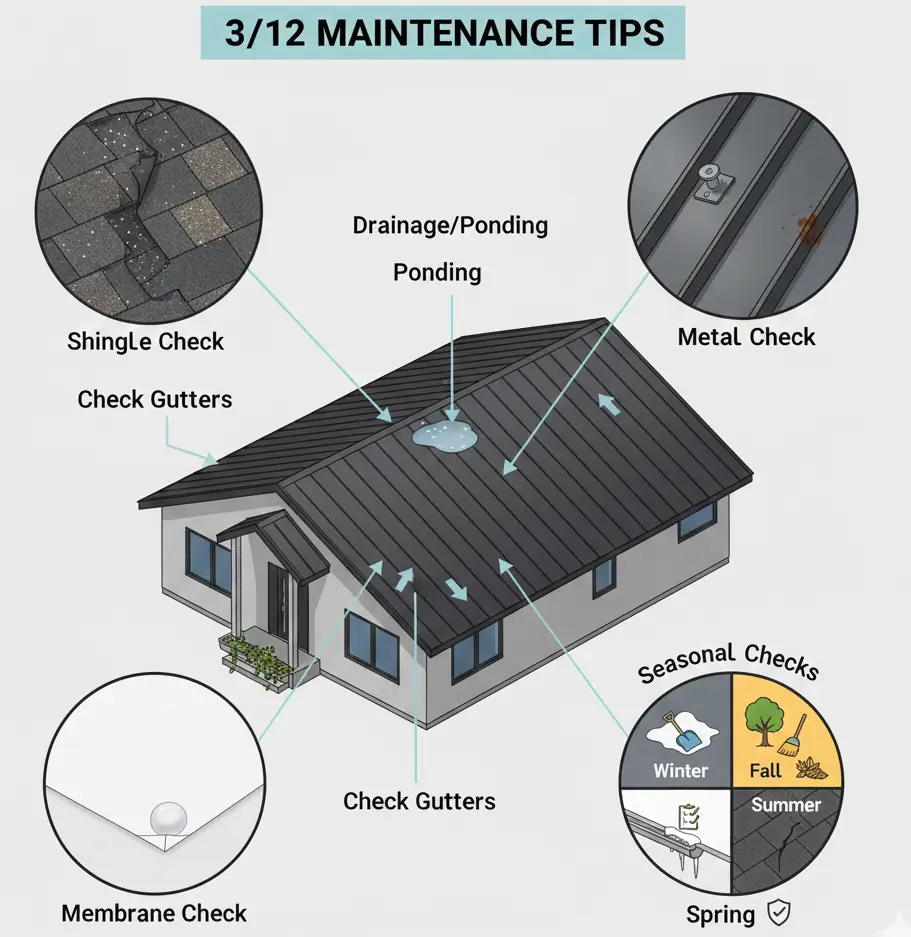
A 3/12 roof slope, while gentle and relatively easy to install, requires regular maintenance to prevent water damage and prolong its lifespan. Because water drains more slowly than on steeper roofs, staying proactive is essential. Proper maintenance ensures your roof remains safe, functional, and visually appealing for years to come.
Checking for Ponding or Slow Drainage
Low-slope roofs like 3/12 are more susceptible to water pooling, which can lead to leaks or accelerated material wear. Homeowners should:
- Inspect gutters and downspouts to ensure they are free of debris and draining properly
- Check valleys, seams, and low spots for signs of standing water after rain.
- Correct minor drainage issues immediately to prevent long-term damage
Even small areas of ponding can degrade roofing materials over time, so addressing drainage issues early is key.
Material-Specific Maintenance
Different roofing materials require slightly different approaches on a 3/12 slope:
- Asphalt Shingles: Look for curling, missing shingles, or granule loss. Ensure underlayment remains intact in valleys and eaves.
- Metal Roofing: Check for loose fasteners, damaged seams, or areas where sealant may have failed. Standing water near seams can lead to rust if untreated.
- Membrane or Roll Roofing: Inspect for punctures, bubbles, or seams lifting. Clean the surface gently to avoid damaging the membrane.
Following manufacturer guidelines for each material ensures long-term performance and avoids voiding warranties.
Seasonal Roof Inspections
Regular inspections help detect issues before they become costly problems. Recommended seasonal checks include:
- Spring: Clear winter debris, inspect for ice dam damage, and check flashing and vents.
- Summer: Inspect for wind or hail damage, especially after storms.
- Fall: Clean leaves and debris from gutters and valleys to prepare for winter rain or snow.
- Winter: Safely monitor ice and snow accumulation, ensuring that snow does not pool excessively.
Consistent inspections, combined with prompt repairs, can extend the life of a 3/12 roof and prevent minor problems from turning into major repairs.
Frequently Asked Questions
A 3/12 roof slope rises 3 inches for every 12 inches (1 foot) of horizontal run. This translates to an angle of approximately 14°. This low-slope measurement is important for calculating plumb cuts, selecting roofing materials, and understanding drainage behaviour.
Yes, asphalt shingles can be installed on a 3/12 slope, but additional precautions are required:
- Enhanced underlayment or double-layer protection is recommended.
- Ensure proper flashing around valleys, chimneys, and vents.
- Avoid using standard installation methods intended for steeper slopes without manufacturer guidance.
Following these guidelines ensures shingles remain watertight and durable on a low-pitch roof.
A 3/12 roof is considered gentle and relatively easy to walk on, with its 14° incline. However, safety is key:
- Use non-slip footwear and maintain three points of contact.
- Avoid walking on the roof when it’s wet, icy, or covered with debris.
- For major repairs, always use proper safety equipment such as harnesses or ropes.
While low slopes are easier than steep roofs, leaving significant work to professionals is recommended.
A 3/12 slope can handle rain and snow, but it has slower drainage than steeper roofs. Key considerations:
- Ensure effective gutters and downspouts are installed.
- Use high-quality underlayment or waterproof membranes to prevent leaks.
- In snowy regions, account for additional snow load and ice dam protection.
Proper design and maintenance are critical to prevent water or snow-related damage.
Suitable materials for a 3/12 slope include:
- Asphalt shingles: With proper underlayment and waterproofing.
- Metal roofing: Standing seam or low-slope approved panels.
- Roll roofing and membrane systems: Modified bitumen, EPDM, TPO, and PVC for excellent waterproofing.
Always verify manufacturer guidelines to ensure the material is rated for low-slope installation.
- 3/12: Gentle, low-slope; easier to install, but slower drainage. Requires careful waterproofing.
- 4/12: Moderate slope; better drainage and material versatility, still manageable for most roofing tasks.
- 6/12: Steep slope; excellent water runoff, highly visible, suitable for most shingles and metal panels, but more challenging and expensive to work on.
Understanding the differences helps homeowners balance aesthetics, cost, and roof performance when choosing a slope.
Also Read: