
What is TPO Roofing? The Ultimate Guide to Installation, Costs, and Benefits
Table of Contents
What Is TPO Roofing?
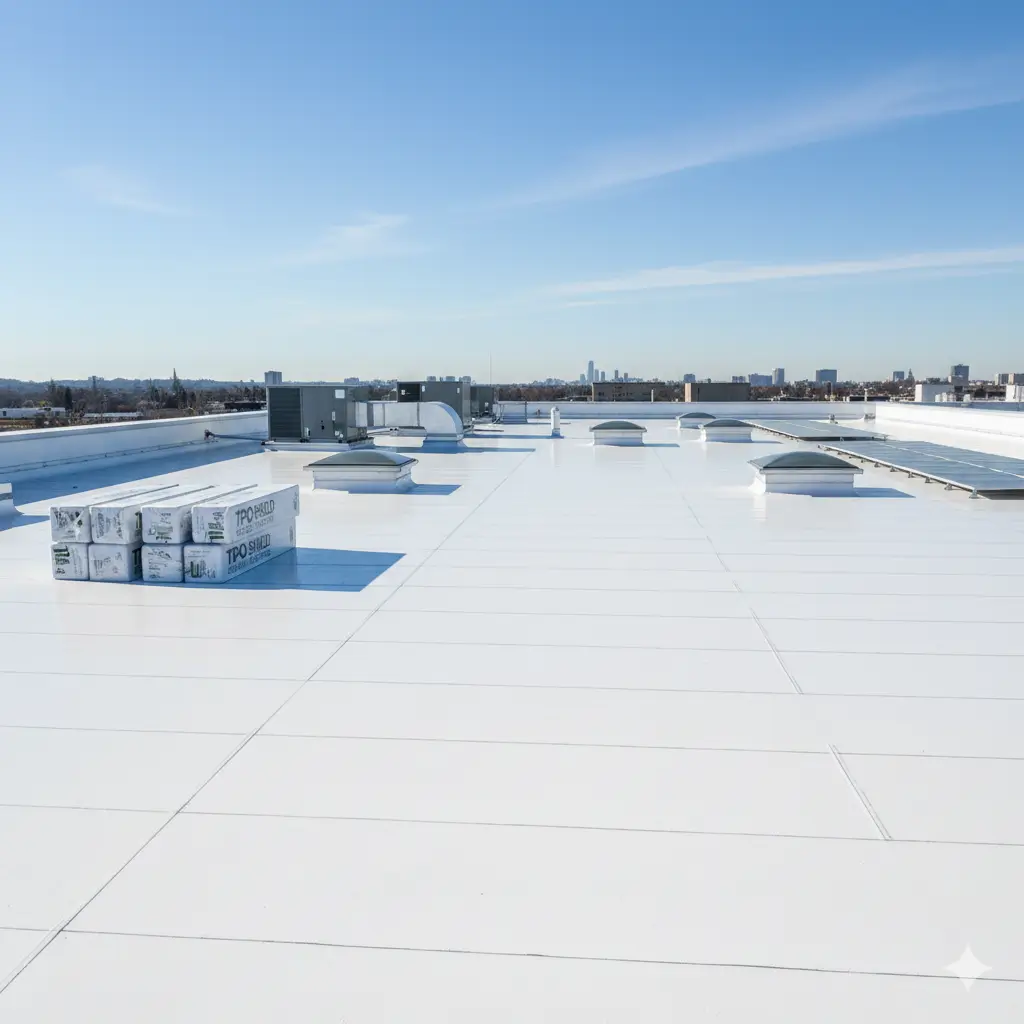
TPO roofing, short for Thermoplastic Polyolefin, is a type of single-ply roofing membrane widely used on flat and low-slope roofs, especially in commercial and industrial buildings. It consists of a single layer of synthetic materials combined with a reinforcing scrim, forming a durable, flexible, and energy-efficient roofing system.
TPO membranes are typically manufactured in large sheets—10, 12, or 20 feet wide—and are rolled up for transport to roofing sites. They are then attached to the roof using methods like mechanical fastening, adhesion, or ballasting, creating a seamless and weather-resistant surface.
One of the reasons TPO has become one of the fastest-growing roofing systems, now holding nearly 40% of the commercial roofing market, is its naturally reflective surface. This white or light-colored membrane reflects UV rays and heat, reducing energy costs and helping maintain cooler indoor temperatures.
Originally developed to combine the strengths of EPDM (rubber roofing) and PVC roofing systems, TPO is made from ethylene propylene rubber blended with polypropylene. Over the decades, its formula has evolved, resulting in improved durability, flexibility, weldable seams, and long-term performance.
Advantages of TPO Roofing
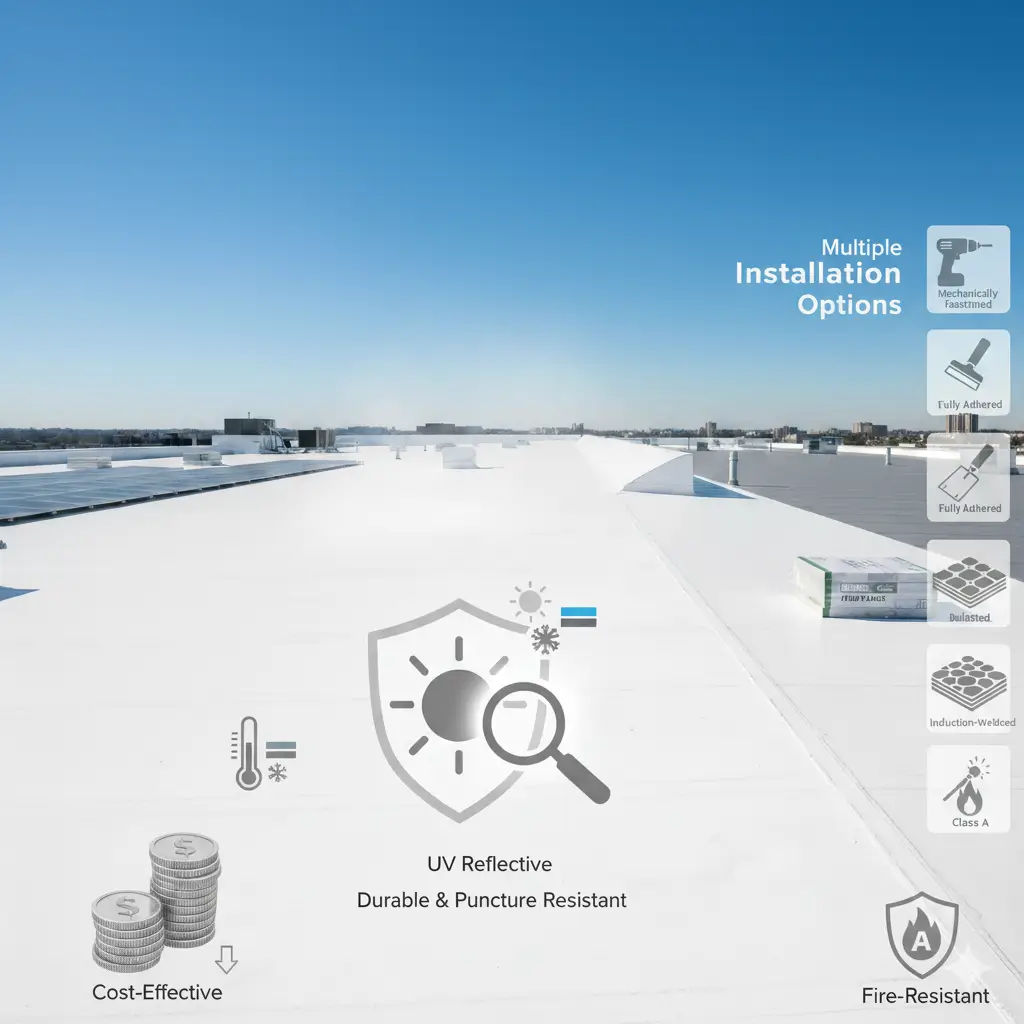
TPO roofing has quickly become one of the most popular choices for commercial and industrial buildings—and for good reason. Known for its balance of affordability, durability, and energy efficiency, TPO offers a range of benefits that make it stand out among other single-ply roofing systems.
1. Cost-Effective Roofing Solution
Compared to other commercial roofing options like PVC, TPO provides similar energy efficiency and weldable seam strength but at a lower cost. Its lightweight nature also makes installation faster, helping reduce labor costs and overall project expenses.
2. Energy Efficiency & UV Reflectivity
TPO is commonly manufactured in white and other light colors, which are highly reflective. This helps:
- Lower rooftop temperatures
- Reduce indoor cooling costs.
- Improve energy efficiency during hot seasons.
Minimize the urban heat island effect.s
Many TPO membranes meet or exceed EPA Energy Star standards, offering long-term energy savings.
3. Strong, Durable & Puncture-Resistant
TPO membranes are engineered to withstand:
- UV radiation and extreme temperatures
- Tears, punctures, and impact damage
Mold, mildew, and dirt buildup
One of its biggest advantages is hot-air welded seams, which are up to three times stronger than taped seams and far more durable than glued alternatives, preventing leaks and improving longevity.
4. Flexible and Weather-Resistant
Because TPO contains no plasticizers, it naturally remains flexible. This flexibility allows it to accommodate:
- Building movement and settling
- Thermal expansion and contraction
Changes in temperature and weather conditions
This makes it highly suitable for areas with fluctuating climates.
5. Multiple Installation Options
TPO can be installed using several methods depending on building requirements, including:
- Mechanically fastened systems
- Fully adhered (glued) systems
Ballasted or induction-welded installations
Its lightweight design makes transportation and installation easier and faster compared to other roofing materials like EPDM.
6. Custom Insulation Choices
Since TPO is a membrane-only system, it does not come with built-in insulation. This gives building owners flexibility to choose insulation types and R-values that best meet their energy efficiency and budget needs.
7. Fire-Resistant Options
When manufactured with fire-retardant additives or combined with specific assemblies, TPO roofing systems can achieve a Class A fire rating, meeting high safety standards.
8. Aesthetic Versatility
TPO is available in colors such as white, gray, and black, allowing architects and property owners to maintain visual appeal without sacrificing energy efficiency—unlike older “black roof” systems.
Disadvantages of TPO Roofing
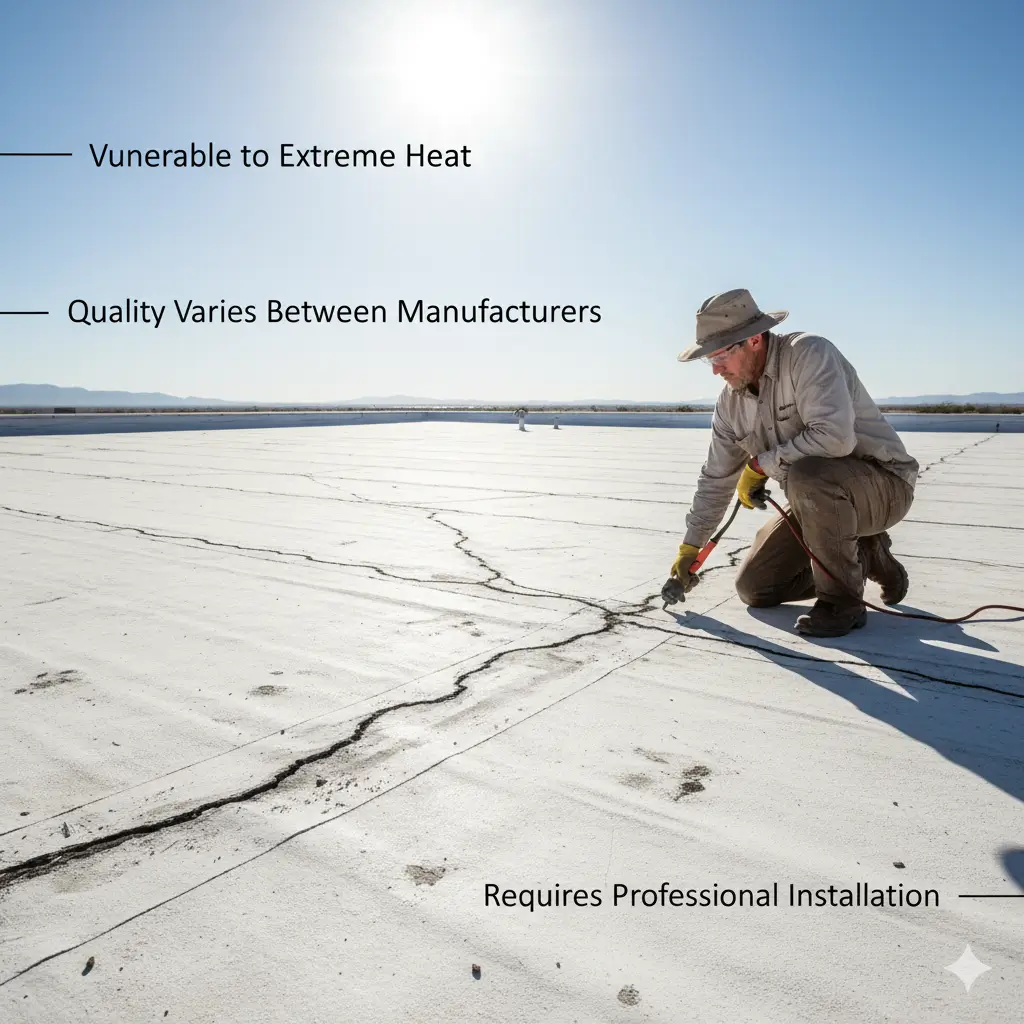
While TPO roofing offers many benefits, it’s important to understand its limitations to make an informed decision. Below are the main disadvantages associated with TPO roofing systems:
1. Uncertain Long-Term Lifespan
TPO is a relatively newer roofing technology compared to traditional systems like EPDM or PVC. Although it has been on the market for a few decades, manufacturers have frequently modified its chemical formulation to enhance durability and performance. As a result, its true long-term lifespan is still debated, and performance may vary depending on the manufacturer and product quality.
2. Vulnerability to Extreme Heat Conditions
TPO is known for its ability to reflect sunlight and reduce energy costs. However, in areas with extremely high temperatures or intense and prolonged sun exposure, the membrane may experience:
- Surface cracking or splitting
- Premature membrane deterioration
- Welding seam issues due to overheating
This concern is especially relevant in southern or desert regions where roofs are exposed to excessive heat and high solar loads throughout the year.
3. Quality Varies Between Manufacturers
Because TPO is produced by many different manufacturers, not all TPO products are created equal. Lower-quality membranes may have thinner surfaces, weaker seams, or reduced resistance to UV radiation and weathering. Choosing a reputable brand and certified installer is essential to avoid premature failures.
4. Requires Professional Installation
Improper or poorly welded seams can lead to leaks and structural damage. TPO roofing requires skilled installation using specialized hot-air welding equipment, which may limit DIY or budget contractors’ capabilities.
TPO Roofing Installation: What to Expect
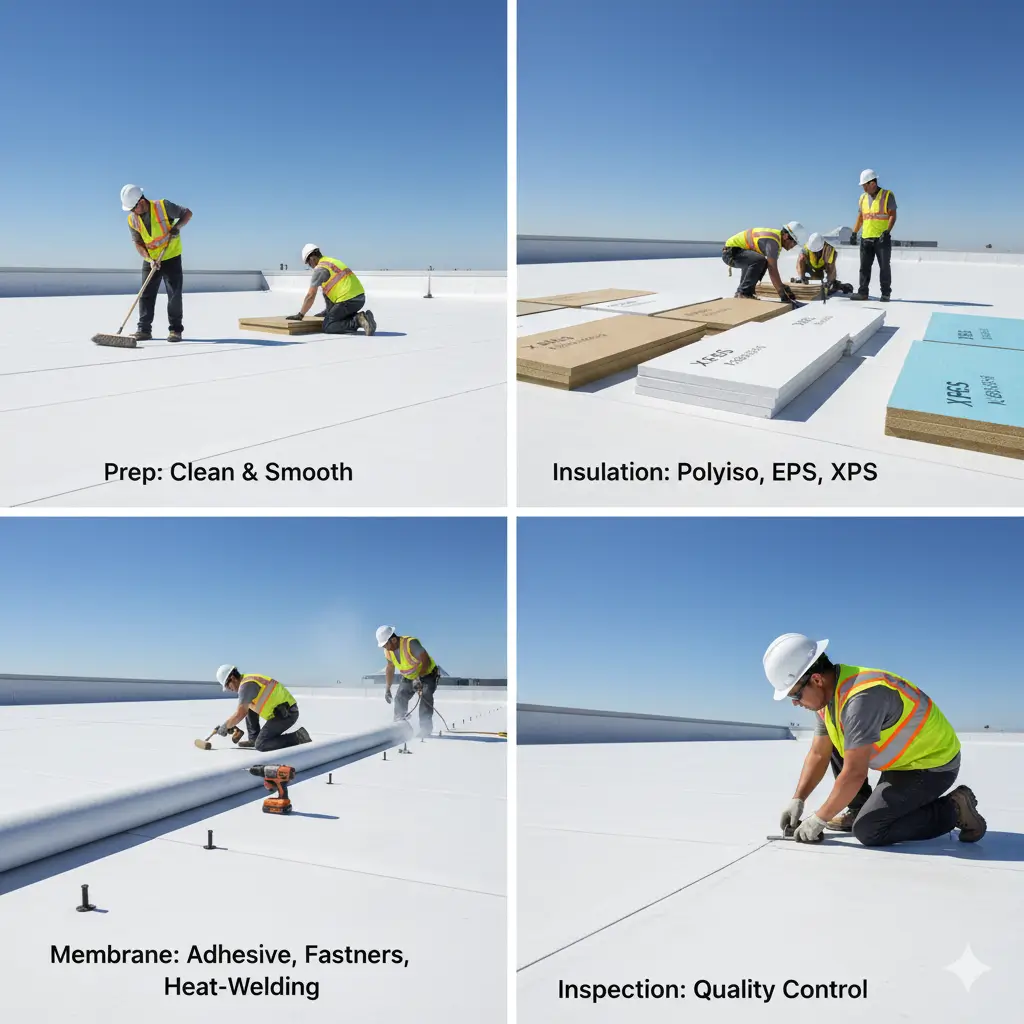
TPO (Thermoplastic Polyolefin) roofing installation is a straightforward process, but it requires careful planning and precise execution to ensure long-lasting performance. Understanding the steps, materials, and techniques involved is key to achieving the best results for your roof. Below, we break down the installation process and provide a guide on choosing the right installer.
TPO Roofing Installation Process: Step-by-Step
1. Preparation of the Substrate
The installation of TPO roofing begins with preparing the existing roof substrate. This can include cleaning, removing the old roofing material, or repairing any damage. A clean, smooth surface is essential for ensuring proper adhesion and a long-lasting roof.
2. Insulation Installation
Before the TPO membrane is applied, insulation is placed to help improve energy efficiency and roof performance. The most common insulation materials used for TPO roofing are:
- Polyisocyanurate (Polyiso): This is the most widely used insulation for commercial roofs due to its high R-value, which improves thermal resistance. While it is more expensive, the increased energy efficiency makes it a worthwhile investment.
- Expanded Polystyrene (EPS): Known for being cost-effective, EPS has the highest R-value per dollar. It also performs well over time, as it doesn’t absorb water and can be used in direct contact with the ground.
- Polyisocyanurate (Polyiso): This is the most widely used insulation for commercial roofs due to its high R-value, which improves thermal resistance. While it is more expensive, the increased energy efficiency makes it a worthwhile investment.
Extruded Polystyrene (XPS): Positioned between Polyiso and EPS in terms of price and performance, XPS has good moisture resistance but is semi-permeable and should be chosen depending on specific roofing needs.
3. Applying the TPO Membrane
Once the insulation is in place, the TPO membrane is rolled out over the surface. There are three main methods of attaching the membrane:
- Bonding Adhesive: The membrane can be adhered to the insulation board using a bonding adhesive. This method creates a strong bond and helps prevent movement of the membrane.
- Mechanical Fastening: Alternatively, the membrane can be fastened to the substrate using screws or nails. This method is often used in commercial buildings where a more secure attachment is necessary due to high wind exposure.
- Bonding Adhesive: The membrane can be adhered to the insulation board using a bonding adhesive. This method creates a strong bond and helps prevent movement of the membrane.
Heat-Welding: After the membrane is rolled out, a hot-air gun is used to weld the seams together. This creates a watertight seal between the sheets of TPO, ensuring no leaks form over time. This welding technique is a key feature of TPO roofing, contributing to its durability.
4. Final Inspection and Quality Control
Once the membrane is installed, it’s important to conduct a final inspection to ensure that the seams are properly welded and no areas are left vulnerable to leaks or damage. High-quality installation includes testing the seams for proper bonding and ensuring that all areas of the roof are securely sealed.
TPO Roofing for Commercial vs. Residential Buildings
While TPO roofing is primarily used in commercial buildings, it can also be applied in residential settings, particularly for flat or low-slope roofs. However, there are several differences in the approach and scale of installation:
- Commercial TPO Installation:
For commercial buildings, TPO roofing is often installed on a larger scale, with multiple layers of insulation and larger sheets of membrane. These roofs require stronger attachment methods due to the size of the roof and the exposure to harsher weather conditions. The process may also involve more complex details such as roof penetrations, drainage systems, and parapet walls. - Residential TPO Installation:
For residential properties, TPO roofing may be installed on smaller sections and requires less insulation due to the typically lower thermal demands of residential buildings. The installation process tends to be quicker and more straightforward, though attention to detail is just as important to ensure proper waterproofing.
The installation methods (adhesive, mechanically fastened, or heat-welded) remain largely the same, but commercial roofs often demand a more robust installation due to the greater scale and potential for exposure to higher wind speeds and environmental stressors.
TPO Roofing Costs
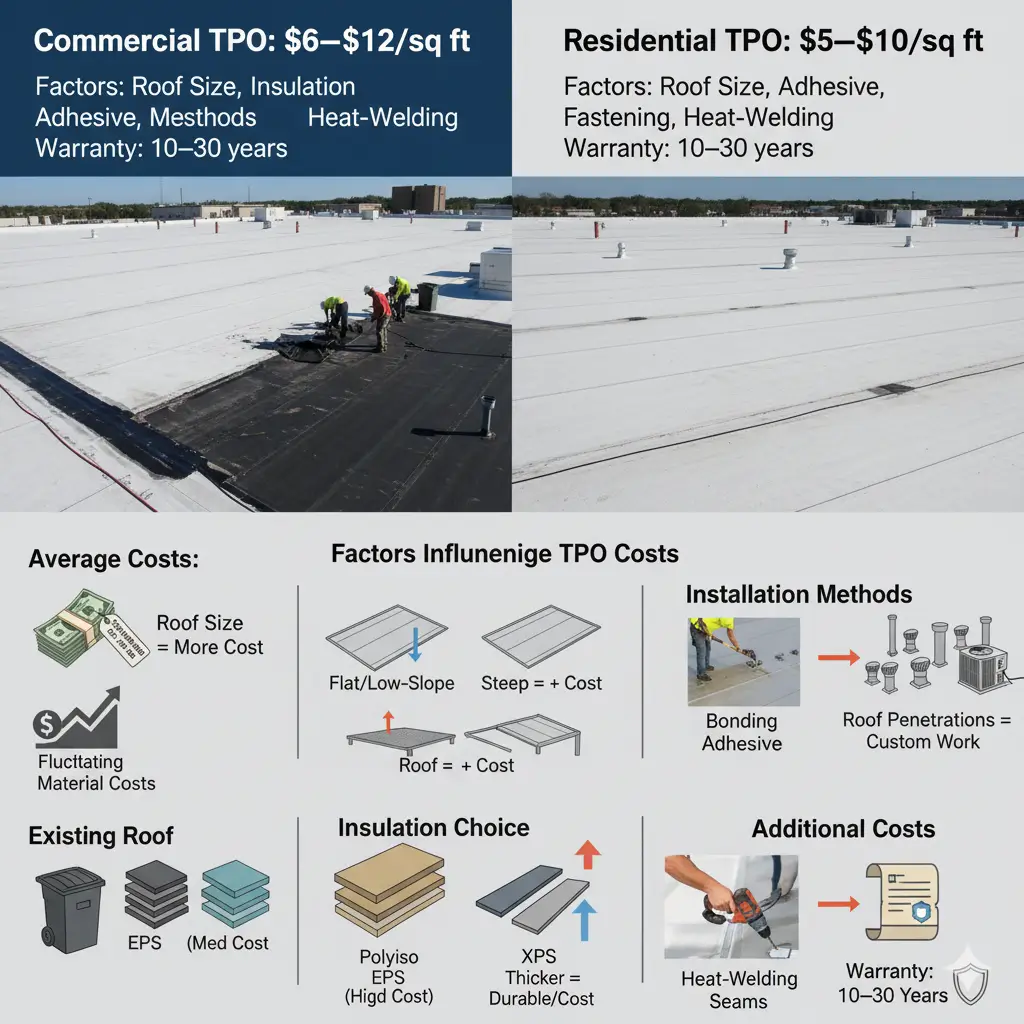
The cost of installing a TPO roofing system depends on several factors, including the size of your roof, the materials chosen, and the complexity of the installation. Below, we’ll break down the average costs for TPO roofing and explore the key factors that influence pricing. Additionally, we’ll compare TPO costs with other popular roofing materials to help you make an informed decision.
Average TPO Roofing Costs
On average, commercial TPO roofing installation costs range between $6 and $12 per square foot. For a typical 20,000 square-foot commercial roof, this translates to an estimated cost of $120,000 to $240,000 for materials and labor.
However, these prices can fluctuate significantly based on several factors, including the market conditions and the specific requirements of your roofing project. As of September 2025, TPO roofing costs are higher than in previous years due to increases in material costs and supply chain dynamics. Roofing material prices are subject to volatility, so it’s important to account for potential cost changes when budgeting for your project.
Factors Influencing TPO Roofing Costs
Several factors contribute to the overall cost of installing a TPO roofing system. These include:
- Roof Size:
The larger the roof, the higher the cost. The square footage of the roof is the primary factor that determines material and labor expenses. A larger roof will require more TPO membrane, insulation, and additional labor to complete the installation. - Roof Slope:
TPO roofing is primarily used for flat or low-slope roofs. However, if your roof has a steeper pitch, it may require additional labor and materials, which can increase costs. Steeper roofs are more challenging to install and require special equipment for safety. - Condition of Existing Roof:
If your building already has an old roof in poor condition, it may need to be removed or repaired before the new TPO membrane can be installed. The cost of roof tear-off and disposal of old materials can significantly add to the overall price. - Insulation Choice:
TPO roofs are often installed with a layer of insulation beneath the membrane to improve energy efficiency. The type of insulation selected (e.g., Polyisocyanurate (Polyiso), Expanded Polystyrene (EPS), or Extruded Polystyrene (XPS)) will impact the cost. Polyiso tends to be more expensive due to its higher R-value, but it can result in greater energy savings over time. - Membrane Quality and Thickness:
TPO comes in varying thicknesses, typically ranging from 40 mil to 80 mil (thickness). Thicker membranes offer greater durability and resistance to punctures, but they come at a higher cost. Additionally, choosing a high-quality TPO membrane from a reputable manufacturer may also increase the upfront cost but provide long-term reliability. - Installation Method:
The method used to attach the TPO membrane to the roof will affect the cost. Common installation methods include:- Bonding Adhesive: This method is often used for ease and efficiency, but it can be slightly more expensive.
- Mechanical Fastening: This method uses fasteners to secure the membrane and is often chosen for roofs subject to high winds or extreme weather conditions.
- Heat-Welding: The process of welding seams with a hot-air gun is a crucial part of TPO installation and requires skilled labor. This step ensures a watertight seal, but it may add to labor costs.
- Bonding Adhesive: This method is often used for ease and efficiency, but it can be slightly more expensive.
- Roof Penetrations:
The number of roof penetrations (e.g., vents, HVAC units, chimneys, skylights) will impact the cost of installation. Additional flashing, sealing, and custom work are required around these penetrations, adding complexity and cost.
Warranty and Manufacturer Support:
Many TPO manufacturers offer warranties ranging from 10 to 30 years. A longer warranty or a system warranty (which covers both labor and materials) may increase the upfront cost of the roofing system. However, a strong warranty can provide peace of mind and protect you from future repair costs.
Maintenance of TPO Roofs
Proper maintenance is essential to ensure your TPO (Thermoplastic Polyolefin) roofing system remains durable, leak-free, and energy efficient throughout its lifespan. With regular inspections, timely repairs, and proper cleaning, a TPO roof can last 20–30 years or more.
Routine Maintenance Tips
Here are key practices to extend the lifespan and performance of a TPO roofing system:
- Keep the roof clean and debris-free: Remove leaves, branches, dirt, and standing water to prevent membrane damage and clogged drainage systems.
- Clean the surface as per manufacturer guidelines: Use approved cleaning solutions or low-pressure washing to maintain TPO’s reflective white surface, which helps with energy savings.
- Check and maintain proper drainage: Ensure drains, gutters, and scuppers are clear to avoid ponding water, which can weaken seams or insulation.
- Inspect seams and flashing regularly: Look for uplifted seams, cracks, loose flashings, or signs of membrane separation.
- Protect rooftop equipment areas: Use walk pads near HVAC units and high-traffic zones to prevent punctures from foot traffic.
Address minor issues early: Caulking open seams, tightening flashings, or patching minor punctures can prevent costly damage in the future.
How to Handle TPO Roof Repairs
Over time, TPO roofs can experience issues such as seam failure, punctures, membrane shrinkage, or damaged flashing. Here’s how repairs are generally managed:
Common Repair Issues
- Loose or separated seams
- Punctures or tears from debris or foot traffic
- Water leaks or saturated insulation
- Damaged flashing around vents, drains, or HVAC units
Repair Process
- Roof Inspection: A professional roofing contractor will inspect the membrane, seams, insulation, and roof deck. Infrared scans may be used to detect wet insulation below the membrane.
- Evaluate Saturation Levels:
- Less than 25% saturation: Minor repairs or restoration systems like silicone coating may be applied after removing wet insulation and reinforcing seams.
- More than 25% saturation: A full or partial roof replacement is recommended as the roof is beyond economical repair.
- Repair or Restoration Options:
- Replace wet insulation and damaged membrane areas.
- Reinforce or hot-air weld weakened seams.
- Clean and coat the entire roof with silicone or another compatible coating system.
- In severe cases, remove old TPO and install a new TPO or alternative roofing system (e.g., spray foam roofing).
Tip: Early detection of seam failure or leaks is crucial to prevent widespread water damage and high repair costs.
How Often Should TPO Roofs Be Inspected?
Regular inspections are one of the most effective ways to extend the life of a TPO roof.
Recommended Inspection Schedule
Inspection Type | Frequency |
General Inspection | Twice per year (spring & fall) |
Post-Storm Inspection | After severe weather (hail, heavy rain, high winds) |
Before and After Roof Work | Anytime contractors access the roof |
Red Flags to Watch For
- Standing water or poor drainage
- Discolored or sagging areas on the membrane
- Bubbles, cracks, or blisters on the surface
- Lifting or separating seams
- Water stains inside the building (ceilings/walls)
How Does TPO Compare to Other Roofing Materials?
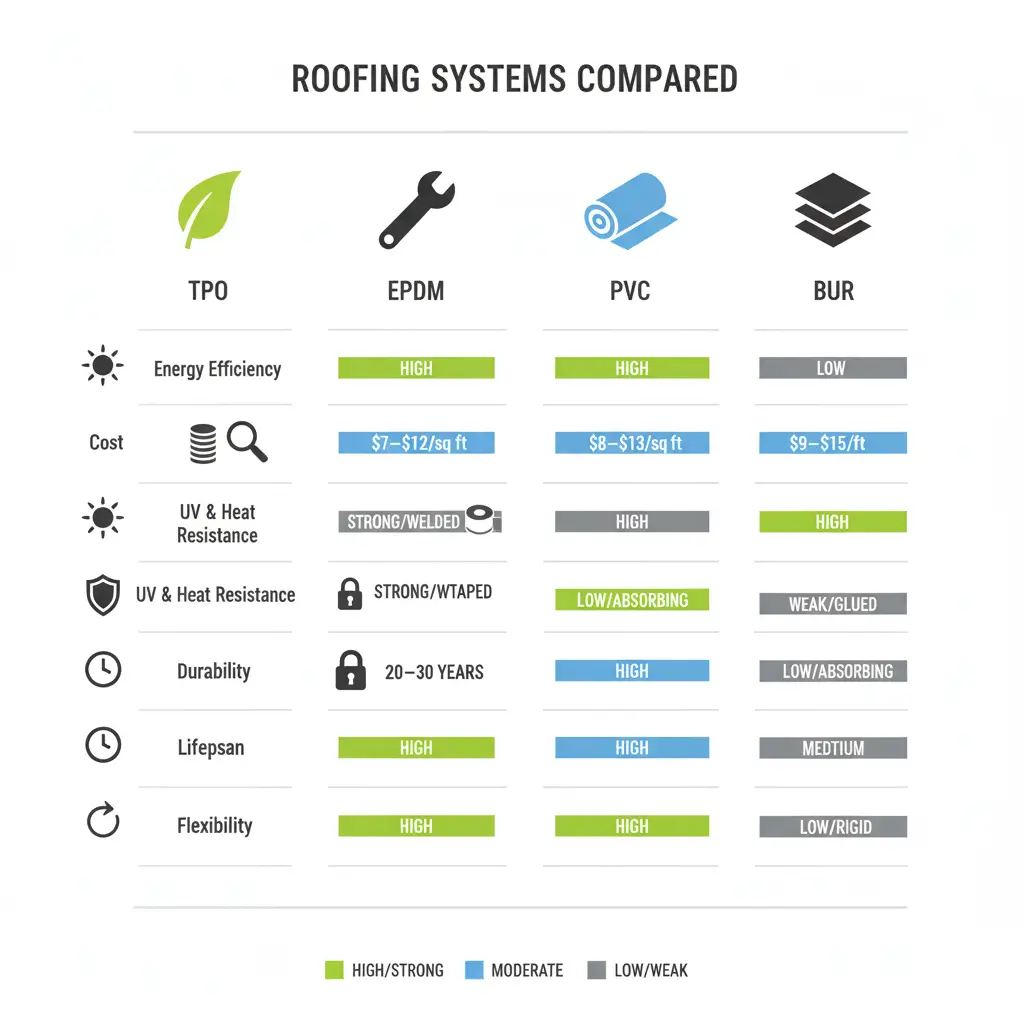
When choosing a commercial roofing system, it’s important to understand how TPO stacks up against other popular materials like EPDM, PVC, and Built-Up Roofing (BUR). Below is a clear comparison based on cost, durability, energy efficiency, and overall performance.
TPO vs. EPDM
Feature | TPO | EPDM |
Material Type | Thermoplastic single-ply membrane | Synthetic rubber membrane |
Seam Installation | Heat-welded (strong, watertight seams) | Glued or taped seams (more prone to leaks over time) |
Energy Efficiency | A white reflective surface reduces cooling costs | Typically black—absorbs heat; white EPDM available at added cost |
Cost | Slightly higher than EPDM, but better long-term savings | Often cheaper initially |
Lifespan | 20–30 years | 20–25 years |
TPO vs. PVC
Feature | TPO | PVC |
Material Type | Thermoplastic Polyolefin | Polyvinyl Chloride |
Chemical Resistance | Good, but not as strong as PVC | Excellent resistance to oils, grease, and chemicals |
Flexibility & Weldability | Flexible and easy to heat-weld | Highly flexible and weldable, even in cold weather |
Cost | More affordable than PVC | More expensive, especially premium PVC or KEE membranes |
Best Use | General commercial roofs | Restaurants, factories, chemical plants |
TPO vs. Built-Up Roofing (BUR)
Feature | TPO | Built-Up Roofing (BUR) |
System Type | Single-ply membrane | Multi-layer asphalt & felt system |
Installation Speed | Faster, less labor-intensive | Slower, heavier installation |
Weight on Structure | Lightweight—no structural reinforcement needed | Heavy—may require reinforcement |
Seams & Waterproofing | Heat-welded seams for reliability | Multiple layers of hot tar or asphalt |
Energy Efficiency | Highly reflective white surface | Typically dark and heat-absorbent unless coated |
Frequently Asked Questions About TPO Roofing
A properly installed and maintained TPO roof typically lasts 20 to 30 years. Its lifespan depends on factors such as membrane thickness, climate conditions, installation quality, and maintenance. Opting for thicker membranes (60–80 mil) and regular inspections can extend the roof’s performance and durability.
Yes. TPO is most commonly used on flat and low-slope roofs, but it can also be installed on roofs with a slight pitch. As long as water can drain properly and the membrane is secured correctly, TPO performs well on sloped surfaces. For steep-slope roofs, additional fastening and specialized installation techniques may be required.
TPO roofing is considered environmentally friendly because it offers:
- High reflectivity reduces cooling costs and lowers energy consumption.
- Recyclability, as many TPO membranes can be reused at the end of their life cycle.
Heat-welded seams which eliminate the use of harmful adhesives and chemicals during installation.
All of this helps reduce the building’s carbon footprint and makes TPO a popular choice for energy-efficient and sustainable roofing.
Yes, many TPO membranes come with a Class A fire rating when installed with the appropriate fire-resistant underlayment or assembly. This means the roofing system provides excellent resistance to fire spread. Always check manufacturer specifications and local building codes to ensure compliance.
In many cases, yes—TPO can be installed over an existing roof, provided the current roof is structurally sound, dry, and meets local code requirements. This process, known as a re-roof or overlay, can help save on tear-off and disposal costs. However, a roofing professional should inspect for moisture, damage, or weight-bearing concerns before proceeding.