
How Long Does a Roof Last?
Table of Contents
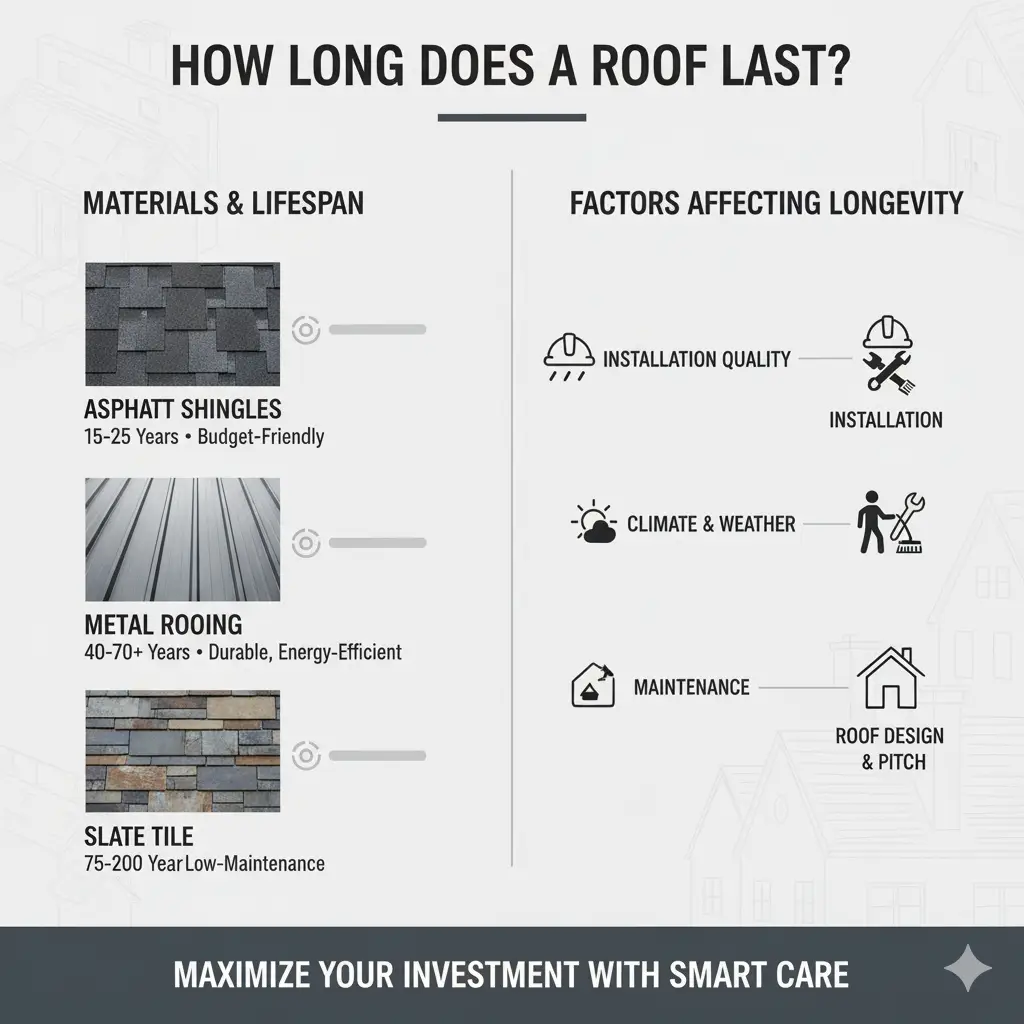
How long does a roof last? The answer depends on more than just the type of roofing material. From asphalt shingles and metal roofs to slate, tile, and green roofs, each material has its own lifespan, and factors like installation quality, climate, maintenance, and roof design can significantly influence how long it protects your home. Whether you’re a new homeowner or planning a roof replacement, this guide breaks down the lifespan of different roof types and provides actionable tips to help you maximize your roof’s durability and investment.
Critical Points
- Roof Lifespan Varies by Material: Most roofs last between 20–100+ years, depending on the material. Asphalt shingles typically last 20–30 years, while premium materials like slate, clay, and concrete tiles can last up to a century. Metal roofs, depending on type, generally last 40–70 years.
- Climate Plays a Major Role: Weather conditions significantly affect roof longevity. Hot climates accelerate UV damage to asphalt and composite roofs, while coastal areas can corrode metal roofs faster due to salt exposure. Heavy rainfall, snow, and wind can also impact shingles, tiles, and underlayment.
- Quality Installation Matters: Even the best materials can fail prematurely if the roof is poorly installed. Professional installation ensures proper flashing, ventilation, and underlayment, all of which contribute to an extended lifespan.
- Regular Maintenance Extends Life: Routine inspections, cleaning gutters, trimming overhanging trees, removing moss or algae, and fixing minor damage promptly can extend your roof’s life by 5–10 years.
- Additional Factors to Consider: Roof slope, ventilation, attic insulation, and nearby trees all influence how long a roof lasts. A well-designed and maintained roof resists damage and performs optimally throughout its expected lifespan.
How Long Do Different Roofs Last?
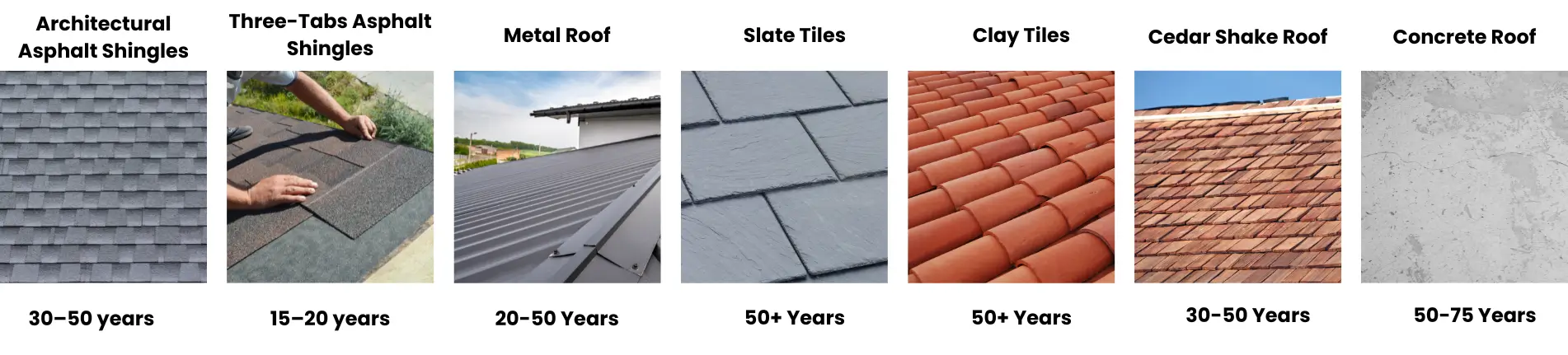
Roof lifespan varies widely depending on material, installation quality, and maintenance. Here’s a detailed breakdown of the expected lifespans for the most common roof types:
Metal Roof Lifespan
Includes steel, aluminum, copper, and tin. Metal roofs are durable, fire-resistant, and low-maintenance.
- Steel & Aluminum: 40–70 years
- Copper: 70+ years
- Tin: 40–60 years
Note: Thicker metals last longer; proper installation and ventilation are critical to prevent corrosion.
Asphalt Shingle Roof Lifespan
Includes architectural shingles and standard 3-tab shingles. Asphalt shingles are budget-friendly and widely used.
- 3-Tab Asphalt Shingles: 20 years
Architectural Shingles: 30–50 years
Tips: Choose high-quality shingles, maintain gutters, and trim nearby trees to prevent damage.
Also Read:
Cedar Shake Roof Lifespan
Cedar shakes offer a natural, rustic look but require regular maintenance to avoid rot, insect damage, and fire hazards.
Lifespan: 30–50 years with proper care. Maintenance: Annual inspections, cleaning debris, and applying protective coatings.
Slate Roof Lifespan
One of the longest-lasting roofing options, slate is fire-resistant and highly durable.
- Lifespan: 60–150 years
Considerations: Heavy weight may require additional structural support; installation is specialized.
Tile Roof Lifespan
Covers clay and concrete tiles, ideal for hot climates.
- Clay Tiles: 50–100+ years
- Concrete Tiles: 50–75 years
Tips: Ensure proper underlayment and structural support; periodic inspections for cracks or displacement.
Concrete Roof Tile Lifespan
Concrete tiles are durable and energy-efficient.
Lifespan: 50–75 years
Tip: Check for cracks after storms; seal as needed.
Thatched Roof Lifespan
Traditional thatch roofs offer excellent insulation but require skilled installation and regular maintenance.
Lifespan: 20–50 years, depending on climate and upkeep
Rubber Roof Lifespan
EPDM and other synthetic rubber options are waterproof and flexible, often used on flat roofs.
- EPDM Rubber: 15–25 years
Tip: Inspect seams and flashing regularly.
TPO Roof Lifespan
Thermoplastic polyolefin (TPO Roof) membranes are energy-efficient and lightweight.
Lifespan: 7–20 years
Tip: Proper installation and UV protection extend life.
Composite Roof Lifespan
Made to mimic wood or slate, composites use polymer, rubber, or plastic for durability.
- Lifespan: 40–50 years
Benefits: Resistant to heat, hail, and fire; less maintenance than natural materials.
Green / Vegetative Roof Lifespan
Eco-friendly roofs with plants provide insulation and stormwater management.
Lifespan: 5–40 years
Tip: Requires proper waterproofing, drainage, and regular maintenance.
Bitumen / Modified Bitumen Roof Lifespan
Common on flat commercial roofs; durable but prone to cracking in extreme temperatures.
Lifespan: 20–30 years
Tip: Regular inspections and prompt repairs prevent leaks.
Solar-Integrated Roof Lifespan
Combines traditional roofing with solar panels.
- Roof Lifespan: Depends on base material (e.g., asphalt 20–30 years)
Solar Panels: 25–30 years
Tip: Ensure professional installation and proper ventilation beneath panels.
Things That Affect Roof Longevity
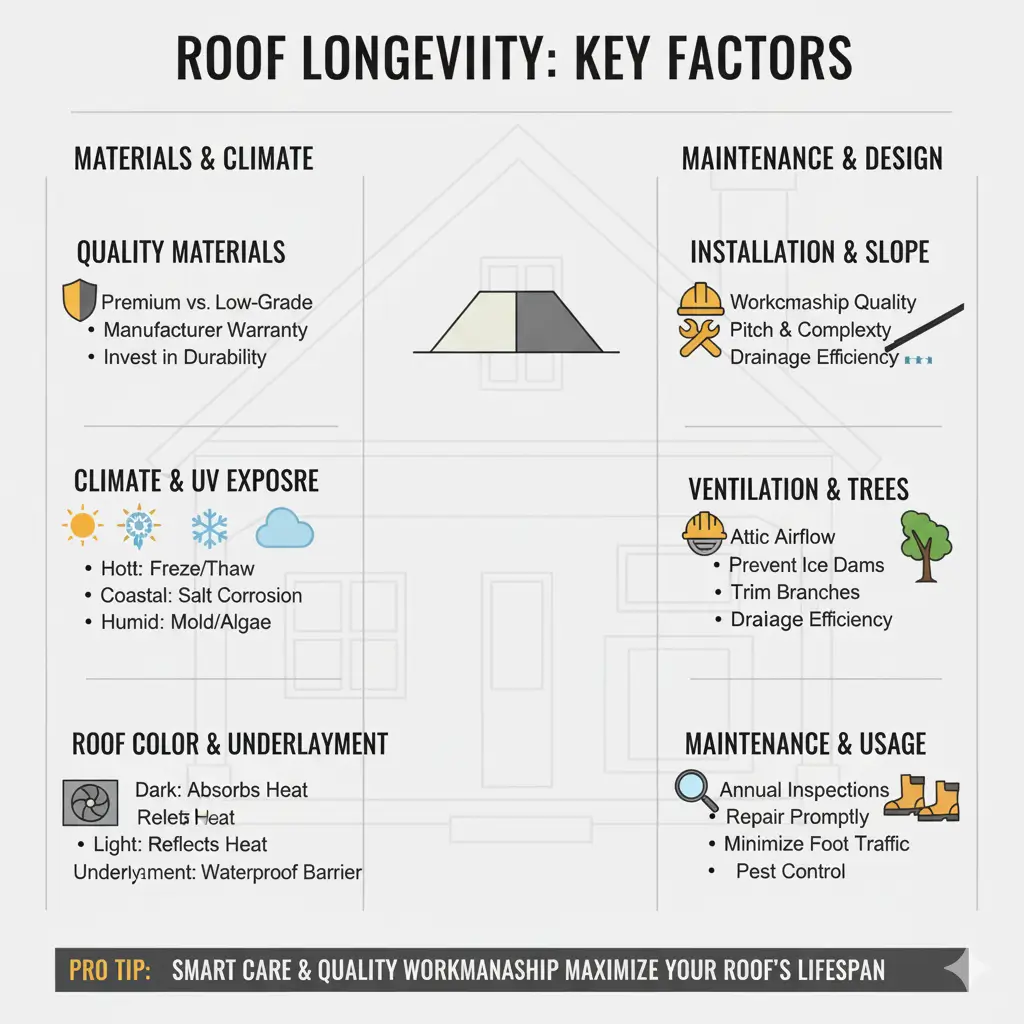
A roof’s lifespan isn’t determined by material alone. Many factors—from climate to maintenance habits—play a crucial role in how long your roof will last. Understanding these factors helps homeowners protect their investment and avoid costly repairs.
- Quality of Roofing Material:
Not all roofing materials are created equal. Premium materials typically last longer and resist damage better than low-grade options. Always check the manufacturer’s reputation, warranty, and product certifications. Investing in high-quality shingles, tiles, or metal can save thousands in repairs and early replacements.
- Climate & UV Exposure:
Daily weather conditions significantly impact roof durability:
- Hot climates: UV rays can accelerate asphalt shingle deterioration.
- Cold climates: Freeze-thaw cycles can crack shingles and tiles.
- Coastal areas: Salt spray corrodes metal roofs faster than inland regions.
Humid environments: Encourage mold, algae, and rot on susceptible materials.
- Roof Color:
The color of your roof affects heat absorption:
- Dark roofs: Absorb more heat, accelerating material wear and increasing attic temperatures.
- Light roofs: Reflect heat, reducing thermal stress and extending lifespan, especially in sunny regions.
Underlayment: Underlayment is the waterproof barrier beneath roofing materials. High-quality synthetic underlayments prevent leaks, mold, and rot even if the top layer is damaged. Skipping or using low-quality underlayment reduces a roof’s effective lifespan.
- Workmanship & Installation Quality:
Proper installation is just as important as the materials used. Poor workmanship can lead to:
- Missing or damaged shingles
- Improper nailing or flashing
Water leaks and sagging rooflines
Hire licensed, insured, and experienced contractors to ensure your roof reaches its full lifespan potential. - Roof Slope & Design Complexity:
The pitch and design of your roof affect drainage and durability:
- Steep roofs: Shed water and snow quickly, reducing the risk of leaks.
- Flat or low-slope roofs: Require specialized waterproofing to prevent standing water, mold, and structural damage.
Complex designs with valleys, skylights, or dormers require extra care to avoid leaks.
- Ventilation & Insulation:
Proper attic airflow and insulation maintain consistent roof temperatures, preventing:
- Shingle cracking
- Heat buildup under roofing materials
Ice dam formation in cold climates
Signs of poor ventilation include curling shingles, ceiling stains, and inconsistent indoor temperatures. - Maintenance & Regular Inspections:
Routine upkeep is essential for longevity:
- Clean gutters and remove debris
- Trim overhanging tree branches
Repair minor damage promptly to avoid bigger problems
Annual inspections, especially after storms, help detect early warning signs. - Trees & Nearby Environment:
Nearby trees can impact roof health:
- Falling branches can damage shingles
- Shade can slow drying, promoting moss or algae growth
Leaves and needles can clog gutters, causing water damage
Keep branches trimmed and consider gutter guards to protect your roof. - Foot Traffic & Usage:
Roofs that experience frequent walking, equipment installation, or solar panel maintenance are more prone to wear and tear. Use designated walkways or protective pads to minimize damage.
- Pests & Wildlife Damage:
Birds, rodents, and insects can damage shingles, underlayment, or flashing. Regular inspections and preventative measures like mesh screens can reduce risk.
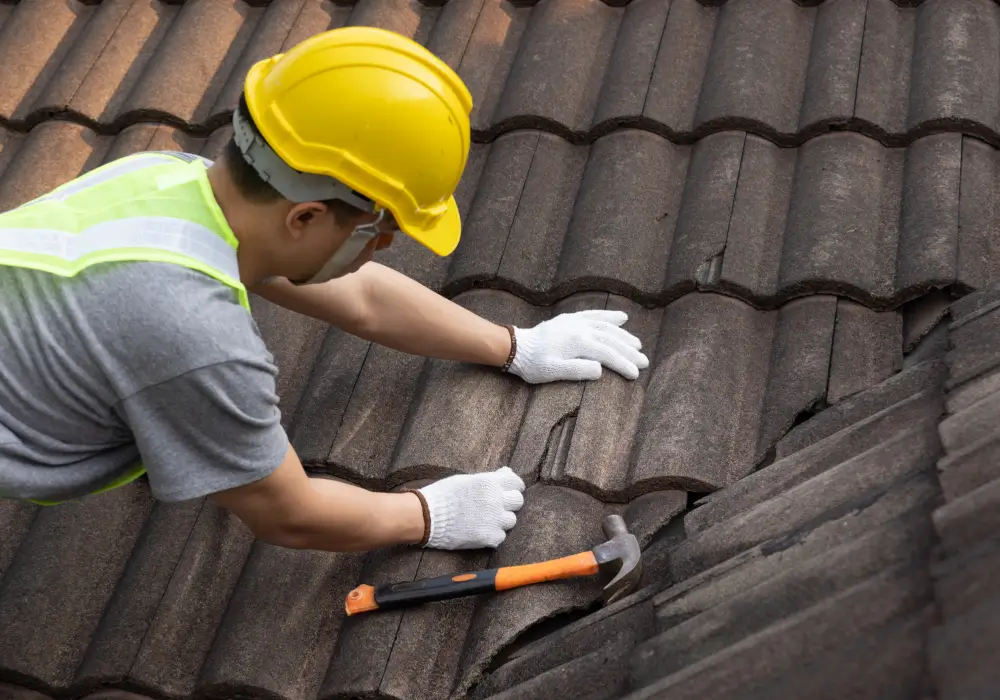
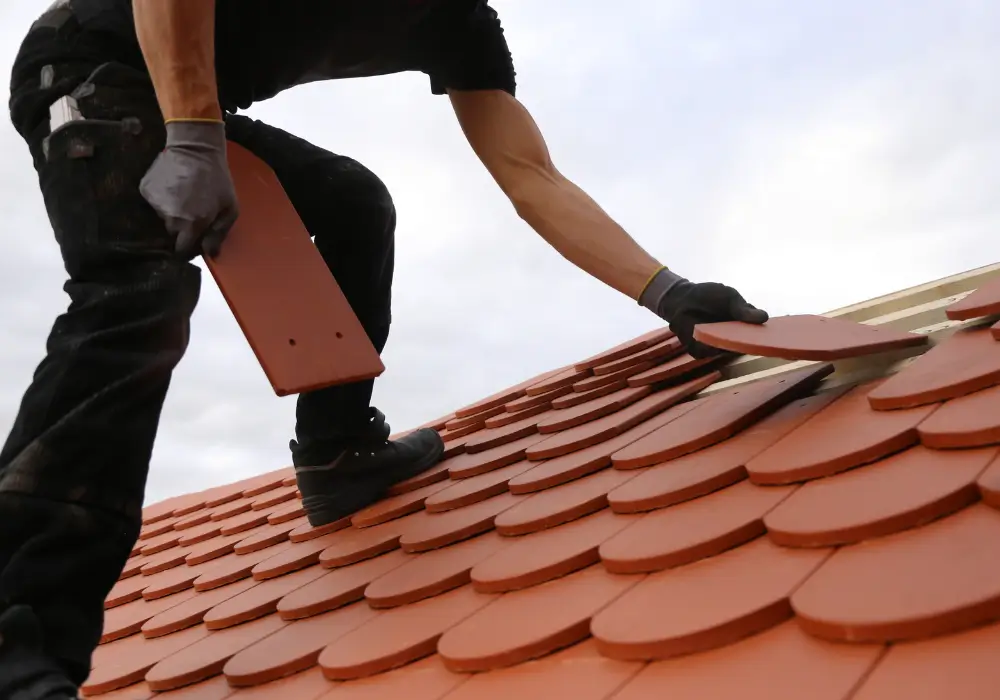
Easy Ways to Protect Your Roof
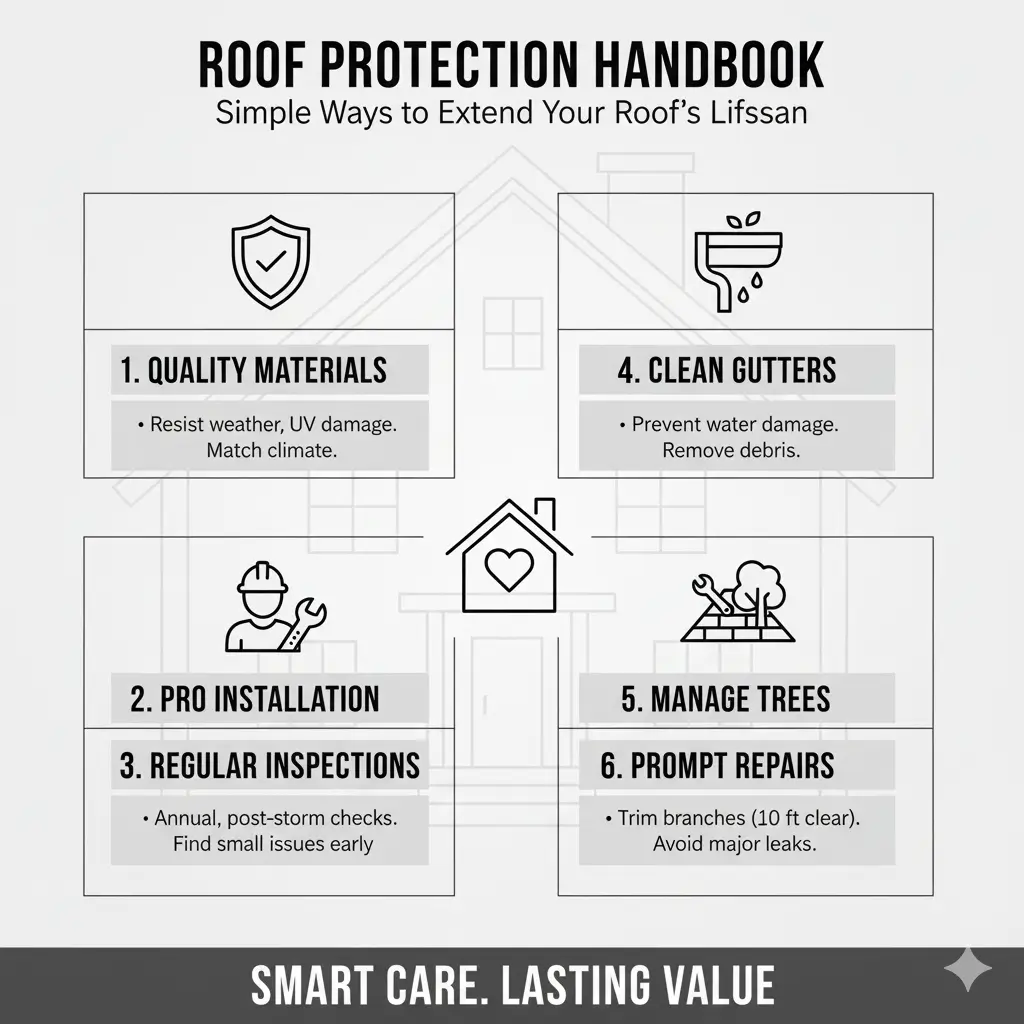
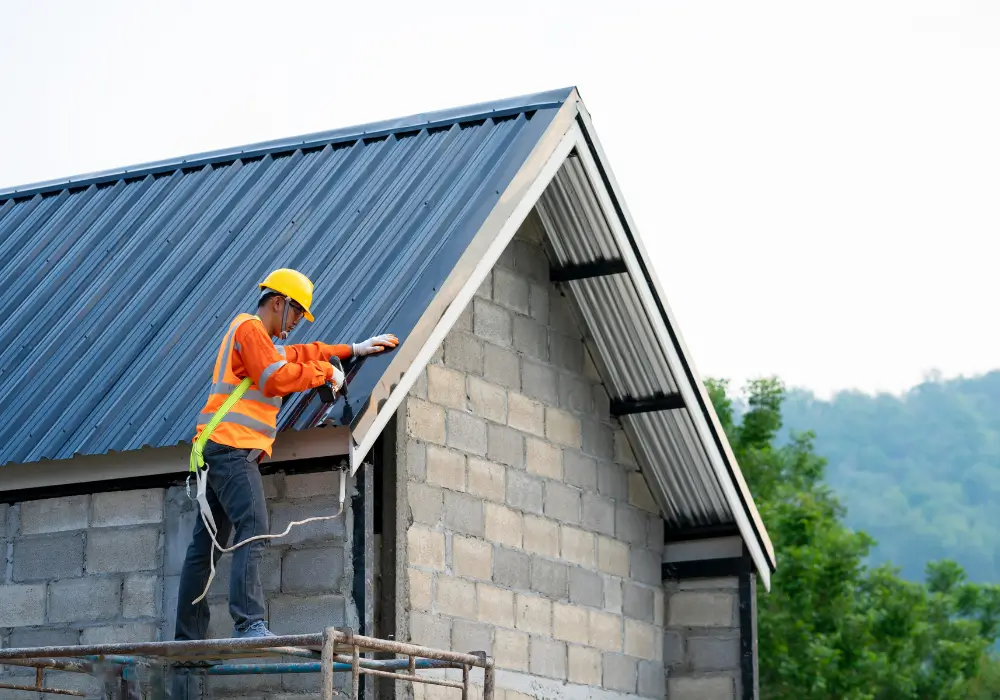
Your roof is one of your home’s biggest investments—and with proper care, it can last decades longer than average. Regular maintenance, smart upgrades, and early repairs not only extend its life but also prevent costly damage. Here are the most effective ways to make your roof last longer:
Choose High-Quality Materials
Your roof’s lifespan starts with the materials you choose. Premium roofing products—like architectural asphalt shingles, standing seam metal, or slate—are engineered to resist harsh weather and UV damage.
Tip: Select materials that suit your local climate. For example, metal performs better in wooded or storm-prone areas, while light-colored shingles work best in sunny, hot regions.
Opt for Professional Installation
Even the best materials won’t last if installed incorrectly. A certified, insured roofing contractor ensures proper flashing, sealing, ventilation, and fastener placement.
Why it matters: Poor workmanship is one of the leading causes of premature roof failure and voided warranties.
Inspect Your Roof Regularly
Schedule inspections at least once a year and after major storms. Look for:
- Missing or cracked shingles
- Granule loss in gutters
- Loose flashing or vents
Signs of leaks in the attic or ceiling
Spotting small issues early can save thousands in future repairs.
Monitor Your Attic for Leaks or Moisture
Your attic can reveal roof issues before they spread. Check for musty odors, water stains, or insulation dampness.
Pro tip: Proper attic ventilation helps regulate temperature and prevents moisture buildup that leads to mold or ice dams.
Clean Your Roof and Gutters Regularly
Debris buildup traps moisture, causing decay and leaks.
- Clear leaves, twigs, and branches each season.
- Keep gutters and downspouts open for proper drainage.
- Use gentle cleaning methods—avoid pressure washing, which strips protective granules.
Maintain Nearby Trees
Overhanging branches can scrape shingles and drop debris that holds moisture. Trim trees at least 10 feet from your roofline.
Bonus: This also helps reduce pest activity and storm damage risk.
Make Small Fixes Promptly
A cracked shingle or loose flashing may seem minor, but small problems often lead to leaks and structural damage.
Smart move: Address damage immediately with professional repairs to prevent expensive issues later.
Check Flashing and Seals
Inspect metal flashing around chimneys, skylights, and vents. Loose or deteriorating seals are among the top sources of roof leaks.
Maintenance tip: Recaulk or reseal as needed to maintain watertight protection.
Protect Your Roof from Extreme Weather
Prepare for storms, heavy snow, and ice buildup by:
- Installing ice and water shields in vulnerable areas
- Reinforcing shingles before storm season
Removing heavy snow loads promptly
These small precautions can prevent major weather-related damage.
Control Moss, Algae, and Lichen
Organic growths trap moisture and deteriorates shingles.
- Use zinc or copper strips to inhibit regrowth
Apply gentle, roof-safe cleaning solutions annually
Avoid harsh chemicals or pressure washers that may void your warranty.
Avoid Unnecessary Foot Traffic
Walking on your roof compresses shingles and damages protective coatings.
If access is unavoidable (for gutter or solar maintenance), use roof pads or professional-grade walk boards.
Apply Roof Coatings or Sealants (If Applicable)
Elastomeric coatings or reflective sealants can help extend a roof’s lifespan by protecting it from UV rays and temperature extremes.
These are especially effective for flat or low-slope roofs.
Prevent Pest or Wildlife Damage
Birds, squirrels, raccoons, and insects can damage vents, flashing, and underlayment.
Install mesh covers on vents and keep entry points sealed. Regular inspection deters infestation.
Ensure Proper Attic Insulation
Insulation isn’t just about energy efficiency—it protects your roof too. Adequate insulation prevents ice dams in winter and reduces heat buildup in summer, keeping roofing materials stable year-round.
Can a Roof Warranty Protect Your Investment?
A solid roof warranty doesn’t just offer paperwork—it provides peace of mind and financial protection. While a warranty can’t stop a storm from hitting your home, it can shield you from the costs of defects, premature failure, or poor workmanship. Understanding what’s covered—and what’s not—helps you make the most of your investment.
Benefits of a Roof Warranty
1. Damage Coverage
Most warranties cover defects in roofing materials or installation errors that cause leaks or structural issues. If a covered issue arises, the manufacturer or contractor is responsible for repair or replacement—saving you from major out-of-pocket costs.
2. Emergency Budget Protection
When unexpected events like hail, heavy winds, or severe storms damage your roof, a warranty can offset expenses that insurance may not fully cover. This safety net prevents homeowners from choosing quick, cheap fixes that can shorten roof life.
3. Maintenance Accountability
Many warranties require regular inspections and basic upkeep, such as cleaning gutters or removing debris. Following these terms ensures your coverage stays valid—and encourages consistent roof maintenance that extends its lifespan naturally.
4. Resale Value Boost
A transferable roof warranty adds tangible value to your property. Buyers gain confidence knowing the roof is still under coverage, which can improve offers and speed up home sales.
5. Guaranteed Repair Standards
When warranty work is required, only certified contractors approved by the manufacturer can perform repairs. This ensures high-quality workmanship and compatibility between old and new materials—preventing weak spots or premature failure.
6. Peace of Mind
Knowing that you’re protected against manufacturer defects, material flaws, or poor installation gives homeowners long-term confidence and reduces stress about future repair costs.
7. Transferable Benefits
Most premium warranties can be transferred to a new owner, making your home more appealing on the real estate market.
8. Coverage for Workmanship Defects
Some extended or premium warranties also cover the installation process itself—not just the materials. This dual coverage protects you from issues caused by improper flashing, sealing, or fastening.
9. Extended Service Options
Certain manufacturers offer extended warranties that include inspection programs, repair coverage, or prorated replacements beyond the standard warranty term.
10. Material Performance Assurance
High-end warranties often come from reputable manufacturers who test and certify their materials to last decades, giving you confidence that your roof can meet (or exceed) its expected lifespan.
Limitations & Considerations
While warranties provide valuable protection, they’re not all-inclusive. Understanding the fine print helps you avoid costly surprises.
- Exclusions: Damage caused by improper maintenance, extreme natural disasters, or neglect may void your warranty.
- Registration Requirements: Some warranties must be registered by the homeowner within a specific timeframe to be valid.
- Warranty Duration vs. Roof Lifespan: A “lifetime” warranty doesn’t always mean your roof is covered for its entire life—coverage often tapers after 30–50 years or may be prorated.
Maintenance Records: You’ll need proof of regular inspections or maintenance to keep your coverage active.
Smart Tip About Roof Warranties
Before signing any roof warranty, take a few minutes to read the fine print. Understand exactly what’s covered, what’s excluded, and how long each part of the warranty lasts—some cover only materials, while others include labor and installation defects. Keep all documentation, register your warranty if required, and save receipts for maintenance or inspections.
Pro Tip: A warranty is only as strong as your upkeep—combine proper documentation with regular roof maintenance to keep your coverage valid and your investment protected.
Final Advice
Your roof won’t last forever—but with smart care, quality materials, and regular attention, you can easily extend its lifespan well beyond the average. Most roofs last between 25 to 50 years, but factors like climate, maintenance, and workmanship make all the difference.
Inspect your roof twice a year, especially after storms or seasonal changes. Pay close attention to areas around chimneys, flashing, and valleys where leaks often start. Keep gutters clear, trim overhanging branches, and act quickly on small repairs before they grow into costly issues.
When your roof starts showing its age, don’t delay professional evaluation. A trusted roofer can tell you whether repairs will suffice or if replacement is the smarter long-term move. And remember—combining routine maintenance with a reliable roof warranty is the best way to protect both your home and your investment for decades to come.
FAQs About Roof Lifespan and Maintenance
Look for warning signs such as curling or missing shingles, frequent leaks, sagging areas, and granules collecting in gutters. Metal roofs may show rust or loose fasteners, while tile or slate roofs can reveal cracked or slipped pieces. If your roof is over 20 years old, it’s wise to schedule a professional inspection to assess whether repair or replacement is more cost-effective.
Yes — roof color influences heat absorption and energy efficiency. Dark-colored roofs absorb more heat, which can speed up material deterioration, especially in hot climates. Lighter-colored or reflective roofing materials stay cooler and typically last longer under intense sunlight.
The best roof for longevity depends on your environment.
- Slate and clay tile roofs can last 80–150 years in most climates.
- Metal roofs (steel, aluminum, or copper) perform well in snow, rain, and heat, lasting 40–70 years.
Asphalt shingles are affordable but typically last 20–30 years in moderate conditions.
If you live in a coastal or high-humidity region, corrosion-resistant materials like aluminum or composite shingles are ideal.
Absolutely. A solid roof warranty protects your investment from material defects, installation errors, or premature failure. Some warranties even cover labor costs for repairs. Just remember — warranties don’t replace maintenance. Regular inspections and upkeep are still essential to keeping your coverage valid.
Inspect your roof at least twice a year — ideally in spring and fall — and after any major storm. Routine inspections help catch small issues early, preventing costly leaks and structural damage. Homeowners in extreme weather regions may need more frequent checks.
Yes — proactive maintenance can add 5–10 years to your roof’s lifespan. Keep gutters clear, remove debris, trim overhanging branches, and fix minor issues like cracked flashing or loose shingles promptly. Annual professional inspections are key to ensuring your roof performs its best year after year.
Schedule a Free Roof Inspection With Toor Construction
At Toor Construction, we don’t just install roofs — we build long-term protection for your home. Our expert team is dedicated to helping homeowners and property managers understand, maintain, and extend the life of their roofs with premium materials and precision craftsmanship.
Whether you suspect damage, want to plan for future replacement, or simply need peace of mind, our free roof inspection service gives you a complete, no-obligation health report on your roofing system — including photos, expert recommendations, and maintenance tips tailored to your property.